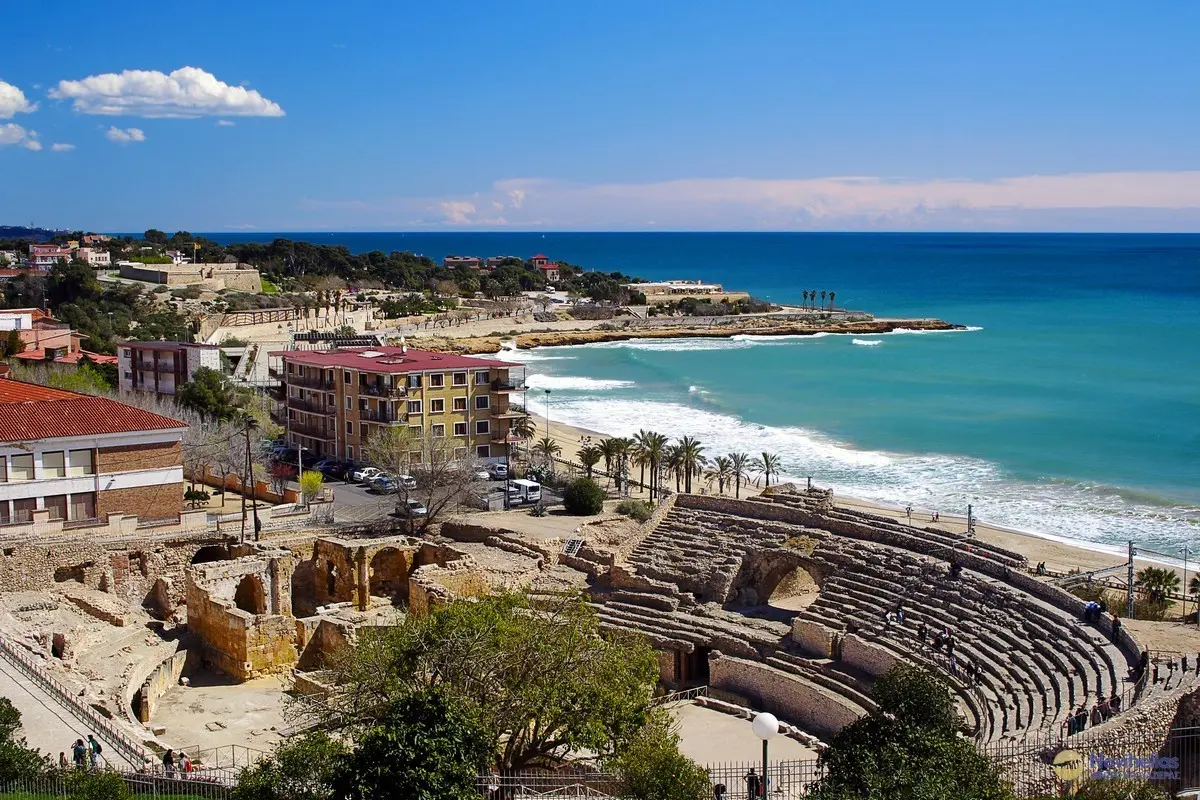
Nice is the elegant capital of the French Riviera, celebrated for its Mediterranean light, palm-lined seafront and blend of French and Italian influences. Its famous Promenade des Anglais follows the curving Baie des Anges, while the ochre façades and lively markets of the old town reveal the city’s historic character.
Founded by the Greeks and later shaped by the Romans, the House of Savoy and generations of winter visitors, Nice has long attracted artists, aristocrats and travellers. Today, a cruise day in Nice combines coastal scenery, art, historic architecture and relaxed café culture.
The city’s Port Lympia lies close to the eastern edge of central Nice and is surrounded by colourful buildings and restaurants. Depending on the size of the ship and the itinerary, cruise passengers may instead call at nearby Villefranche-sur-Mer, where ships can anchor and passengers travel ashore by tender before continuing to Nice by road or rail.
Top attractions and sights
- Vieux Nice: Explore the atmospheric old town, with narrow lanes, pastel buildings, small squares and lively cafés. The Cours Saleya market area is one of the best places to experience the city’s daily rhythm.
- Promenade des Anglais: Walk beside the Baie des Anges along Nice’s iconic seafront boulevard, passing grand hotels, palm trees and the distinctive blue chairs overlooking the Mediterranean.
- Castle Hill: Climb or take the lift to this green hill above the old town for sweeping views over Nice, the coastline and Port Lympia. The former castle has disappeared, but the park, waterfalls and viewpoints remain major highlights.
- Place Masséna: This spacious central square is known for its red façades, arcades, patterned paving and contemporary artwork. It provides an easy link between the old town, the seafront and the main shopping streets.
- Musée Matisse: Set in the peaceful Cimiez district, this museum presents works and personal items connected with Henri Matisse, who lived and worked in Nice for many years.
- Cimiez: Allow time for the Roman ruins, the archaeological museum grounds, the Monastery of Cimiez and the surrounding gardens. The district offers a quieter contrast to the waterfront.
- Musée Marc Chagall: Art lovers can visit this museum devoted to Marc Chagall, particularly known for its vivid religious and biblical works.
- Villa Masséna: Located near the Promenade des Anglais, this elegant villa houses the Musée Masséna, which explores the history of Nice and the Riviera.
Beaches
Nice’s urban beaches are made up of smooth pebbles rather than sand, so comfortable footwear is useful. The beaches beside the Promenade des Anglais provide easy access to the sea and attractive views of the bay, while both public and private beach areas offer places to swim, relax and enjoy the Riviera atmosphere.
- Plage Beau Rivage: A central public beach close to the old town and Place Masséna, convenient for cruise visitors exploring Nice on foot.
- Plage Castel: Located at the eastern end of the Promenade des Anglais near Castle Hill, this beach is well placed for combining a swim with views from the hilltop.
- Plage des Ponchettes: Near Vieux Nice and Cours Saleya, this beach is one of the most convenient seaside stops during a short city visit.
For a more picturesque coastal setting, Villefranche-sur-Mer has a sheltered bay and a sandy beach, although travel time and transport arrangements should be considered carefully during a single day in port.
Local products and shopping
Nice is a good destination for Provençal flavours, Mediterranean ingredients and Riviera-style gifts. The Cours Saleya market is a popular place to browse, although some stalls focus on fresh produce and are best suited to immediate consumption.
- Olive oil and tapenade: Look for high-quality Provençal olive oils, olive spreads and gift-sized jars made with olives, capers and anchovies.
- Herbes de Provence: Dried thyme, rosemary, basil and other aromatic herbs make practical, lightweight souvenirs.
- Socca flour and regional specialities: Chickpea flour and packaged Provençal ingredients can help recreate local dishes at home.
- Provençal soaps and fragrances: Soap, lavender products and traditional scents are widely available in specialist shops and markets.
- Nice’s artisan foods: Candied fruit, local honey, biscuits and jars of olive-based delicacies are easy to pack and share.
- Riviera fashion and crafts: Browse the boutiques of Vieux Nice and the central shopping streets for textiles, ceramics, jewellery and locally inspired decorative items.
Food and local cuisine
Nice cuisine reflects both Provence and nearby Liguria, with olive oil, vegetables, herbs and seafood appearing throughout the local menu. Traditional dishes are widely available in restaurants and small eateries around Vieux Nice and Cours Saleya.
- Socca: This thin, savoury pancake is made from chickpea flour, olive oil and water, then cooked until lightly crisp. It is one of Nice’s best-known street foods.
- Salade niçoise: The classic Niçoise salad combines ingredients such as tomatoes, green beans, olives, eggs and tuna or anchovies. Recipes vary, so local versions may differ.
- Pan bagnat: This round bread roll is filled with ingredients associated with salade niçoise and dressed with olive oil, making it a convenient lunch for a day of sightseeing.
- Petits farcis: Seasonal vegetables are filled with a savoury mixture and baked, offering a hearty example of traditional Niçoise home cooking.
- Ratatouille: This Provençal vegetable dish is prepared with ingredients such as aubergine, courgette, tomato, onion and peppers.
- Tourte aux blettes: This local Swiss chard pie can be found in both savoury and sweet styles, reflecting Nice’s distinctive culinary traditions.
- Local drinks: Try Provençal rosé, regional wines or a refreshing citron pressé. For a non-alcoholic option, traditional cafés serve fresh citrus drinks and coffee alongside Riviera pastries.
Tips for cruise passengers
- Check your actual berth: Port Lympia is Nice’s city harbour, but some cruise itineraries use Villefranche-sur-Mer and tender passengers ashore. Confirm the port name and the ship’s all-aboard time before planning independent sightseeing.
- Reach the centre efficiently: From Port Lympia, the old town, Place Garibaldi and Castle Hill are within easy reach on foot. From Villefranche-sur-Mer, trains and road transport connect with Nice, but allow extra time for tendering and possible queues.
- Start with the old town and Cours Saleya: These areas are compact and make a convenient first stop. Continue towards Place Masséna and the Promenade des Anglais before choosing between Castle Hill, museums or a beach break.
- Plan around the weather: The seafront can be sunny and exposed, while Castle Hill involves slopes and steps. Wear comfortable shoes, carry water and use sun protection during warmer months.
- Use public transport selectively: Tram and bus services can help connect the port area with central Nice and districts such as Cimiez, but walking is often the most enjoyable option in the old town and along the waterfront.
- Leave time to return: Traffic along the Riviera can be busy, especially in high season. If your ship is tendering or departing from another port, return earlier than you would for a ship docked directly beside the city.