
from ¥123,996
Italy, Croatia & Montenegro – From Piraeus (CC4)
7-day cruise on the Celestyal Journey to Greece - Croatia - Montenegro - Italy

Croatia & Montenegro – From Piraeus (CC17)
Discover the beauty of the Ionian and Adriatic seas on a captivating 6-day cruise from Piraeus to Lavrio aboard the Celestyal Journey. This unforgettable Greek islands and Adriatic cruise combines charming coastal towns, historic landmarks, beautiful beaches and spectacular scenery across Greece, Croatia and Montenegro.
Starting in Piraeus, Greece, the route visits Kefalonia, Dubrovnik, Kotor, Corfu and Katakolo for ancient Olympia before concluding in Lavrio. From Venetian architecture and medieval fortresses to crystal-clear waters and world-famous archaeological sites, this cruise offers an ideal introduction to the eastern Mediterranean.
Celestyal Journey
The Celestyal Journey provides a relaxed and comfortable setting for exploring the Mediterranean. Enjoy inviting public areas, restaurants and bars, entertainment, wellness facilities and spacious outdoor decks where you can admire the changing coastal scenery. With a welcoming atmosphere and convenient access to the region’s most celebrated ports, the ship makes it easy to combine discovery with time to unwind at sea.
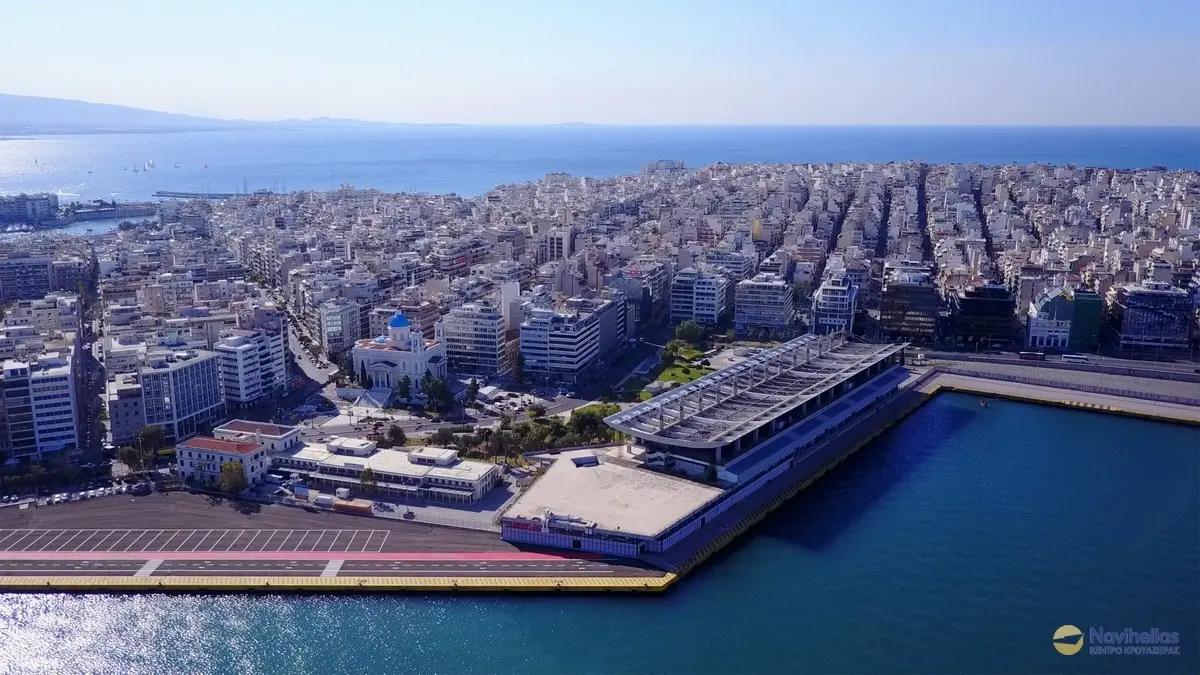
Piraeus, Greece
Your cruise begins in Piraeus, the historic port of Athens and one of the most important gateways to the Greek islands. Before embarking, explore the vibrant marina areas of Mikrolimano and Pasalimani, or travel into Athens to visit the Acropolis, the Parthenon, the Acropolis Museum and the atmospheric Plaka district.
Piraeus is also known for its lively waterfront, seafood tavernas and convenient access to the capital’s ancient monuments. It is the perfect starting point for a Mediterranean cruise filled with history, culture and island landscapes.
Kefalonia, Greece
Kefalonia is the largest of the Ionian Islands and is celebrated for its dramatic mountains, traditional villages and turquoise bays. The island’s highlights include the spectacular blue waters of Melissani Cave, the impressive Drogarati Cave and the picturesque village of Assos, surrounded by lush hills and clear sea.
Beach lovers can enjoy the famous sands of Myrtos Beach, one of Greece’s most photographed coastal landscapes, or discover the family-friendly beaches around Argostoli and Lassi. Kefalonia is also an excellent destination for tasting local cuisine, including fresh seafood, regional cheeses and traditional island specialties.
Dubrovnik, Croatia
Dubrovnik, known as the “Pearl of the Adriatic”, is one of Croatia’s most spectacular destinations. Its beautifully preserved Old Town is enclosed by impressive medieval walls and features marble-paved streets, historic churches, elegant palaces and lively squares.
Walk along the famous Dubrovnik city walls for magnificent views of the Adriatic, visit the Rector’s Palace and Franciscan Monastery, or take a cable car to Mount Srđ for a panoramic view over the terracotta rooftops and coastline. Nearby beaches and coves offer opportunities for swimming and relaxation, while Lokrum Island provides a peaceful escape surrounded by lush Mediterranean vegetation.
Kotor, Montenegro
Nestled at the head of the breathtaking Bay of Kotor, Kotor is a historic Montenegrin town surrounded by rugged mountains and shimmering waters. Its UNESCO-listed Old Town is a maze of narrow lanes, stone houses, charming squares and centuries-old churches.
Highlights include St. Tryphon’s Cathedral, the Maritime Museum and the impressive Venetian fortifications climbing the mountainside. Active visitors can explore the route towards the Fortress of San Giovanni for exceptional views of the bay. The wider region is known for scenic coastal villages, calm waters and beautiful landscapes that make Kotor one of the most memorable ports in the Adriatic.
Corfu, Greece
Corfu combines lush natural scenery, elegant architecture and a rich multicultural heritage. Corfu Town, a UNESCO World Heritage Site, features Venetian fortresses, arcaded streets, grand squares and distinctive buildings reflecting Venetian, French and British influences.
Visit the Old Fortress and New Fortress, stroll through the Liston promenade and explore the charming lanes of the Old Town. Corfu also offers a wealth of beaches, from lively coastal resorts to secluded bays framed by olive groves. The island’s clear waters, green landscapes and traditional cuisine make it a popular destination for culture, relaxation and seaside adventures.
Katakolo – Ancient Olympia, Greece
Katakolo is a picturesque port on the western Peloponnese and the gateway to Ancient Olympia, the birthplace of the Olympic Games. A visit to the archaeological site reveals the remains of temples, athletic facilities and the ancient stadium where sporting history began.
The Archaeological Museum of Olympia houses important finds, including sculptures and artefacts from the sanctuary of Zeus. Back in Katakolo, enjoy a relaxed walk along the waterfront, browse local shops and sample Greek dishes in seaside tavernas. The nearby beaches offer a pleasant setting for swimming and unwinding in the warm Mediterranean sun.
Lavrio, Greece
The cruise concludes in Lavrio, a historic port town in southeastern Attica. Known for its ancient silver mines and long maritime tradition, Lavrio combines industrial heritage with a relaxed coastal atmosphere.
After disembarkation, explore the town’s waterfront, visit the Archaeological Museum of Lavrion or discover nearby beaches and traditional villages. Lavrio also provides convenient access to the Temple of Poseidon at Cape Sounion, one of the most impressive ancient monuments overlooking the Aegean Sea.
This Croatia and Montenegro cruise from Piraeus offers an exceptional blend of Greek islands, Adriatic heritage, ancient wonders and unforgettable coastal scenery, with a convenient arrival in Lavrio aboard the Celestyal Journey.
Expression of Interest:
 Port of Embarkation
 Port of Call
 Port of Disembarkation
 Embarkation and Disembarkation Port
7-day cruise on the Celestyal Journey to Greece - Croatia - Montenegro - Italy
7-day cruise on the Celestyal Journey to Greece - Turkey
7-day cruise on the Celestyal Journey to Greece - Turkey
7-day cruise on the Celestyal Journey to Greece - Egypt - Cyprus - Turkey
6-day cruise on the MSC Sinfonia to Greece - Italy
7-day cruise on the MSC Sinfonia to Greece - Turkey - Italy

Celestyal Journey is a stylish mid-sized cruise ship from Celestyal Cruises, designed for travellers who want to experience the destination as much as the ship. Following an extensive 2023 renovation, the ship combines a relaxed atmosphere with upgraded public areas, a wider choice of dining and an inviting selection of bars.
At 55,451 tonnes and 220 metres long, Celestyal Journey carries approximately 1,114 guests at standard occupancy, with space for up to 1,627 passengers. Its more intimate size is a major advantage for a Greek islands cruise or Mediterranean cruise, allowing guests to enjoy a friendly onboard environment while visiting scenic ports and destinations that may be less accessible to the largest cruise ships.
The ship suits couples, independent travellers and first-time cruisers looking for an easy-going way to explore Greece and the wider Mediterranean. With attentive service, varied dining and a choice of relaxing and social spaces, it offers a comfortable balance between discovery and downtime.
Cabins and suites on Celestyal Journey
Celestyal Journey offers 633 cabins in a range of categories, making it possible to choose accommodation according to your preferred view, space and budget. Options generally include interior cabins, ocean-view cabins, cabins with balconies and a selection of suites.
The ship has 149 private balconies, giving guests the opportunity to enjoy sea views and the changing scenery from their own outdoor space. Balcony accommodation is particularly appealing on an island-hopping itinerary, when the ship sails past Greek coastlines, small islands and picturesque ports.
For extra room and enhanced comfort, the accommodation range includes more than 28 suites and around 120 junior suites. The impressive Penthouse Suite provides a more spacious and indulgent setting for guests seeking a premium cruise experience. Cabin amenities and layouts vary by category, so it is worth checking the precise details before selecting your room.
On-board dining, restaurants and bars
Dining is one of the highlights of Celestyal Journey. Following the ship’s refurbishment, guests can choose from seven new restaurants, creating more variety throughout the cruise and making it easy to enjoy a different style of meal on different evenings.
The Chef’s Table offers a special dining experience for passengers who want to make their meal an occasion. Depending on the service and itinerary, guests can expect menus inspired by Mediterranean flavours alongside familiar international favourites, with a focus on enjoying the tastes of the destinations visited.
Casual meals and refreshments are also available in relaxed dining venues, while the ship’s buffet-style options are convenient for breakfast, lunch or an informal dinner. With eight bars onboard, there are plenty of places to meet for coffee, a pre-dinner drink or one of Celestyal’s signature cocktails. From laid-back daytime spaces to more sociable evening venues, the bar selection helps create a lively but unhurried cruise atmosphere.
Entertainment and activities
Celestyal Journey offers a varied programme for days at sea and relaxed evenings onboard. Guests can enjoy live entertainment, music and social activities, with the schedule designed to complement the ship’s destination-focused cruising style rather than overwhelm it.
During the day, passengers can spend time around the pool, relax on the sun decks or join organised activities. The ship’s public areas provide opportunities to meet fellow travellers, while the choice of bars and evening entertainment makes it easy to continue the evening after dinner.
Shore excursions are an important part of the Celestyal experience. Depending on the itinerary, guests can explore Greek islands, historic coastal towns, archaeological sites, local villages and celebrated Mediterranean landmarks. Booking selected excursions in advance can help secure a place on popular tours and make the most of limited time in port.
Wellness and relaxation
Celestyal Journey provides plenty of opportunities to slow down between port visits. The pool area and open-air sun decks are ideal for reading, enjoying the sea views or simply relaxing after a day of sightseeing.
Guests who want to maintain their routine during a cruise can make use of the ship’s fitness and wellness facilities, while spa services provide a way to add extra relaxation to the voyage. For a particularly peaceful experience, consider using the outdoor areas early in the morning, when the ship is sailing towards its next Mediterranean destination.
Tips for passengers on Celestyal Journey
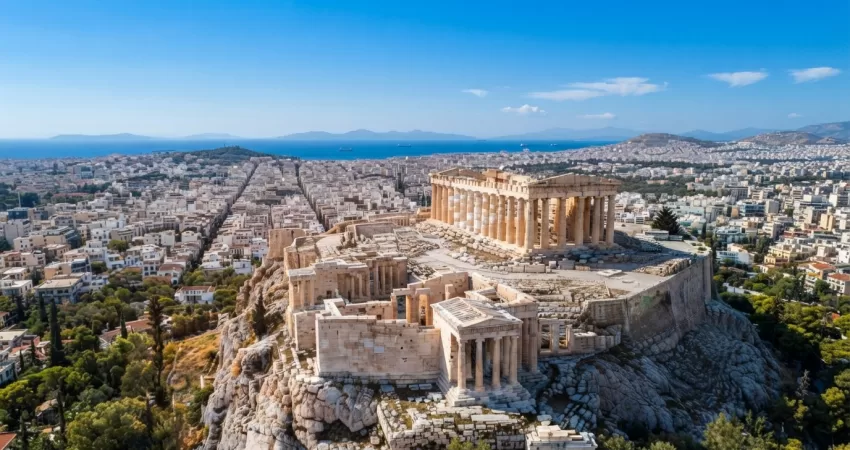
Athens is a city where ancient history, lively neighbourhoods and Mediterranean culture come together. As the birthplace of classical democracy and a major centre of ancient Greek civilisation, it offers cruise passengers the chance to see world-famous monuments, archaeological treasures and traditional streets during a single day in port.
Cruise ships dock at Piraeus, Greece’s principal passenger port and the historic maritime gateway to Athens. Piraeus has its own character, with busy waterfronts, fishing boats, tavernas and scenic harbours, while central Athens lies inland and is easily reached by public transport, taxi or organised shore excursion.
Whether you spend the day exploring the Acropolis, strolling through Plaka or enjoying seafood beside the water in Piraeus, Athens provides a memorable mix of ancient landmarks and modern Greek life.
Top attractions and sights
The Acropolis is Athens’ defining landmark and the essential sight for many cruise visitors. The hill is crowned by the Parthenon, while the Erechtheion, the Temple of Athena Nike and the Propylaea reveal the architectural ambition of classical Athens. From the summit, there are sweeping views across the city and towards the Saronic Gulf.
The Acropolis Museum is one of the city’s most important cultural attractions. Its galleries display sculptures and artefacts from the Acropolis, including the famous Caryatids, in a modern building with impressive views of the Parthenon.
Below the Acropolis, the historic neighbourhood of Plaka is ideal for a relaxed walk through narrow streets, neoclassical buildings, small shops and traditional cafés. Nearby Anafiotika has a distinctive island-style atmosphere, with whitewashed houses and quiet lanes beneath the Acropolis.
The Ancient Agora of Athens was once the political, commercial and social heart of the city. Its highlights include the remarkably preserved Temple of Hephaestus and the reconstructed Stoa of Attalos. The Roman Agora and the Arch of Hadrian are also within easy reach of the Acropolis area.
For a broader collection of Greek antiquities, visit the National Archaeological Museum, which houses masterpieces from the Mycenaean, Classical, Hellenistic and Roman periods. If you prefer to remain in Piraeus, the Piraeus Archaeological Museum presents important finds connected with the city’s ancient past and maritime history.
Back at the port, the waterfront areas of Mikrolimano and Pasalimani are popular for their harbourside restaurants and views of the sea. The hilltop district of Kastella offers attractive streets and elevated views over Piraeus and the Saronic Gulf.
Beaches
Piraeus has several seaside spots that can suit passengers who would rather enjoy the coast than travel into central Athens. Votsalakia Beach, near Kastella and the Mikrolimano area, is one of the better-known urban beaches close to the port. Freatida Beach, near the entrance to the Piraeus peninsula, is another local option with views across the water.
For a more extensive selection of organised beaches and seaside promenades, travellers can continue along the Athens Riviera towards Glyfada, Voula and other coastal suburbs. These areas require additional travel time, so they are best suited to passengers with a full day and a clear plan for returning to the ship.
Local products and shopping
Athens is a good place to shop for Greek food products, including extra virgin olive oil, honey, herbs, mountain tea, olives and regional cheeses. Packaged products are convenient souvenirs for cruise passengers, especially when luggage space and travel regulations are taken into account.
Traditional Greek crafts and gifts include handmade ceramics, leather sandals, woven textiles, olive-wood kitchenware and jewellery inspired by ancient Greek designs. Reproductions of classical sculptures, pottery and archaeological motifs are widely available around Plaka and the Monastiraki area.
Monastiraki is one of the city’s best-known shopping districts, combining souvenir shops, antique stalls, vintage goods and lively street scenes. Ermou Street offers mainstream shopping, while the Central Market area provides a more local atmosphere and a chance to browse Greek ingredients and delicatessen products.
Food and local cuisine
Athens is an excellent destination for trying classic Greek dishes. Look for moussaka, grilled souvlaki, gyros, spanakopita, stuffed vine leaves and Greek salad made with tomatoes, cucumber, olives and feta. Small meze restaurants are a good choice for sampling several dishes in one meal.
Seafood is particularly appealing around Piraeus, Mikrolimano and Pasalimani, where tavernas serve grilled fish, calamari, prawns and other dishes from the Aegean and Saronic Gulf. Local menus may also include octopus, fried small fish and seasonal vegetable dishes.
For a quick snack or dessert, try koulouri, a sesame-coated bread ring, or loukoumades, warm Greek doughnuts traditionally served with honey, syrup or cinnamon. Greek coffee and chilled frappé are popular drinks, while ouzo is commonly enjoyed with meze. Greek wine and regional spirits such as tsipouro are also worth discovering.
Tips for cruise passengers
From the cruise terminals in Piraeus, you can reach central Athens by metro, taxi, organised excursion or other local transport. The metro connects Piraeus with the city centre, although the best option depends on your terminal, mobility needs and the time available. Check the return route carefully before leaving the port.
Passengers visiting Athens for the first time should generally prioritise the Acropolis, the Acropolis Museum and the surrounding historic centre. Plaka, the Ancient Agora and Monastiraki can be combined with these sights, but it is wise to avoid an overambitious itinerary because queues, summer heat and city traffic may slow your day.
If you have already seen the Acropolis, consider spending your time in Piraeus at the Archaeological Museum, Kastella, Mikrolimano or Pasalimani. A waterfront lunch and a walk around the harbours offer a more relaxed way to experience the port city without travelling into central Athens.
Wear comfortable shoes, carry water and protect yourself from the sun, particularly when visiting exposed archaeological sites. Reserve popular attractions in advance when possible, allow plenty of time to return to the ship, and follow the cruise line’s recommended all-aboard time rather than relying on the last available public transport connection.
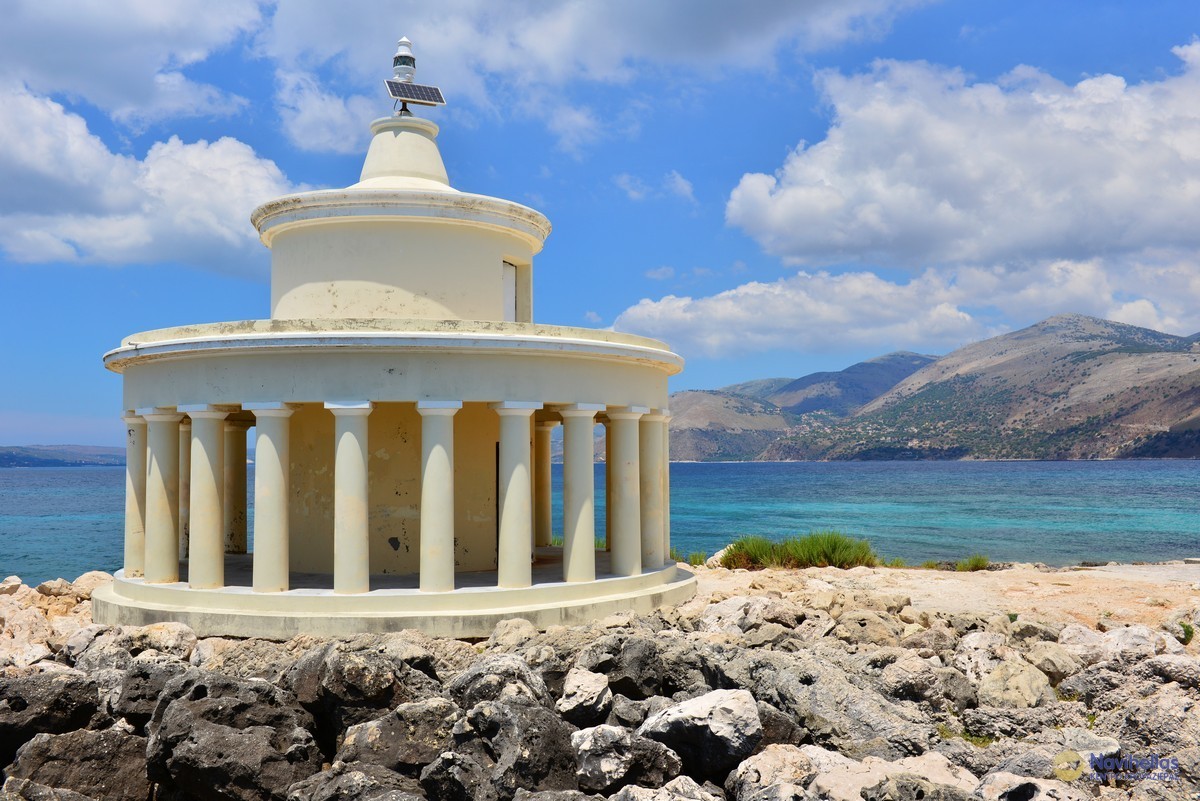
Argostoli is the lively capital of Kefalonia, the largest of the Ionian Islands. Set around a sheltered bay and surrounded by green hills, the town combines relaxed waterfront life with Venetian, British and modern Greek influences. Its broad harbour promenade is lined with cafés, tavernas and small shops, while loggerhead turtles are sometimes seen in the clear waters near the shore.
Kefalonia has a long and varied history, shaped by Venetian rule, earthquakes and the island’s seafaring traditions. The devastating earthquake of 1953 transformed Argostoli, but historic buildings, museums and local customs still reveal the character of the island. Cruise ships arriving at the Argostoli cruise port provide easy access to the town centre as well as to famous Kefalonia attractions such as Myrtos Beach, Melissani Cave and the village of Assos.
Top attractions and sights
Argostoli is easy to explore on foot, with many of its main sights close to the waterfront. The town is a pleasant base for discovering both Kefalonia’s history and its spectacular natural scenery.
Beaches
Several attractive beaches are available near Argostoli and the neighbouring resort of Lassi. Makris Gialos and Platis Gialos are sandy, well-known beaches with clear Ionian water, while nearby Kalamia Beach offers a more sheltered setting close to town. Lassi’s beaches can be reached by taxi or on an organised shore excursion, although travel time can vary with traffic and road conditions.
For a longer island outing, Myrtos Beach is Kefalonia’s iconic choice, famous for its brilliant white pebbles, turquoise water and dramatic mountain setting. It is farther from the port than the beaches around Argostoli, so allow plenty of time for the return journey to the ship.
Local products and shopping
Argostoli is a good place to shop for edible souvenirs and small gifts that reflect Kefalonia’s agricultural traditions. Local delicatessens, market stalls and specialist shops often stock island produce alongside Greek favourites.
Food and local cuisine
Kefalonian cooking combines fresh seafood, local meat, vegetables, olive oil and aromatic herbs. Waterfront tavernas in Argostoli are convenient for a leisurely meal, while smaller restaurants away from the main promenade can offer a more traditional island atmosphere.
Tips for cruise passengers
The Argostoli cruise port is close to the town’s waterfront and central streets. Depending on the ship and harbour arrangements, passengers may go ashore at a berth or by tender, so follow the ship’s instructions for arrival and return procedures. From the waterfront, the main shopping streets, cafés and several museums are accessible on foot.
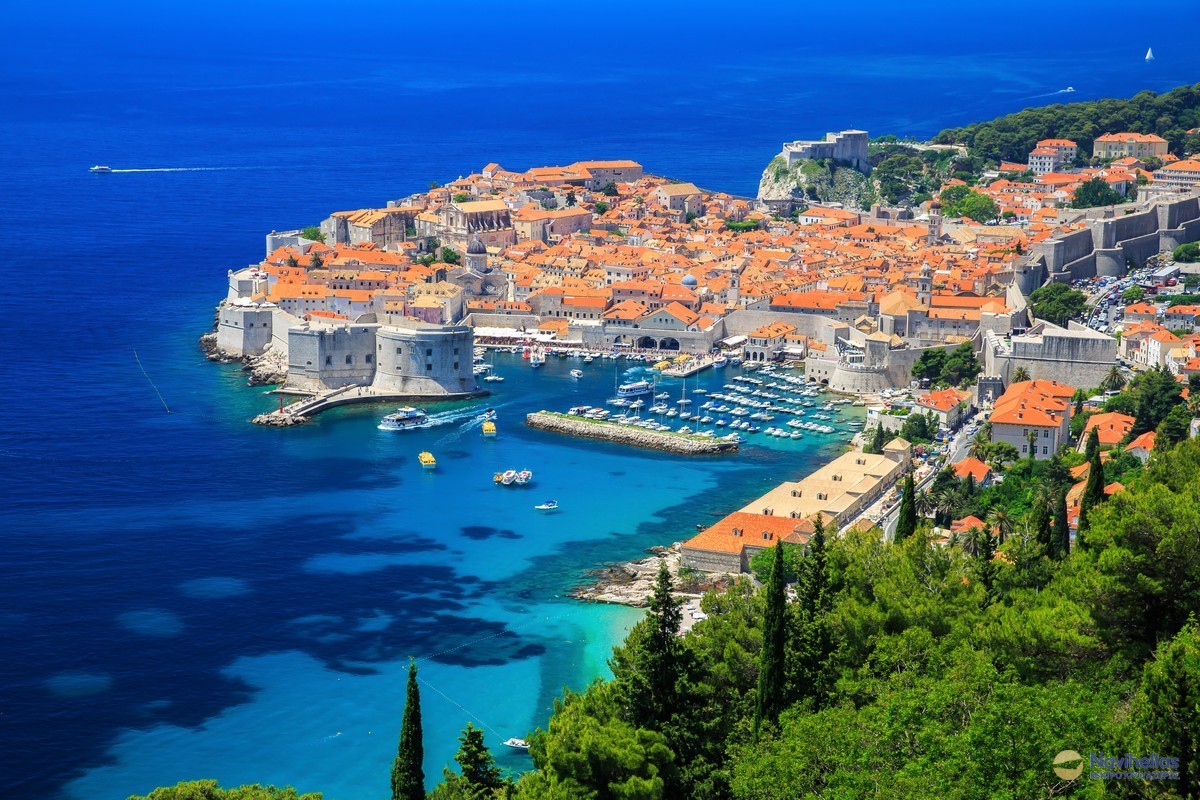
Dubrovnik is a spectacular Adriatic city known for its medieval walls, red-roofed houses and clear blue sea. Once the centre of the powerful maritime Republic of Ragusa, the city developed into an important trading and cultural hub while preserving its historic character.
Most cruise ships arrive at the Port of Dubrovnik in Gruž, a lively harbour northwest of the Old Town. From the port, visitors can easily reach Dubrovnik’s historic centre by local bus, taxi or organised cruise transfer, making the city well suited to a day of sightseeing, swimming and sampling Dalmatian cuisine.
Top attractions and sights
Dubrovnik’s Old Town is enclosed by impressive stone fortifications and entered through the historic Pile Gate or Ploče Gate. Walk along the Stradun, the polished limestone main street, and explore the narrow lanes, elegant squares and baroque buildings surrounding it.
Beaches
Dubrovnik has several attractive swimming spots close to the port and Old Town. Banje Beach, near Ploče Gate, is convenient for cruise visitors and looks across the water towards the island of Lokrum. Lapad Bay has a pleasant waterfront promenade and access to beaches, while Copacabana Beach on the Lapad peninsula is known for its views and seaside facilities.
Sveti Jakov Beach, southeast of the Old Town, is a picturesque option with views of Dubrovnik’s walls and Lokrum. The shoreline is often pebbly or rocky, so water shoes can be useful. During the summer season, popular beaches may become busy, particularly when several cruise ships are in port.
Local products and shopping
The Old Town’s lanes contain shops selling Croatian crafts, regional food products and Dubrovnik souvenirs. Look for handmade jewellery, ceramics, embroidered textiles and traditional Konavle embroidery, which is associated with the area south of Dubrovnik.
Local food gifts include Dalmatian olive oil, dried figs, candied orange peel, lavender products and jars of arancini, a traditional Dubrovnik sweet made from candied orange rind. Croatian wines, especially those from the wider Dalmatian region, are also popular purchases. The Gruž market is a good place to see seasonal produce and everyday local life.
Food and local cuisine
Dubrovnik’s cuisine reflects the flavours of the Dalmatian coast. Try black risotto, made with cuttlefish and its ink, or fresh grilled fish served with vegetables and olive oil. Brodet, a fish stew, is another traditional Adriatic dish, while octopus salad is a refreshing choice in warm weather.
Other regional specialities include pašticada, slow-cooked beef served with gnocchi, and zelena menestra, a hearty dish associated with the Dubrovnik area. For dessert, sample rožata, a Dalmatian-style caramel custard, or kotonjata, a traditional quince sweet. Local wines such as Plavac Mali and Pošip pair well with seafood and Mediterranean dishes.
Tips for cruise passengers
The Port of Dubrovnik is located in Gruž, outside the historic centre. Local buses, taxis and cruise-line transfers connect the port with the Old Town, and some visitors choose to walk along the waterfront when conditions and time allow. Check the return arrangements carefully, as traffic can become busy during the main cruise season.
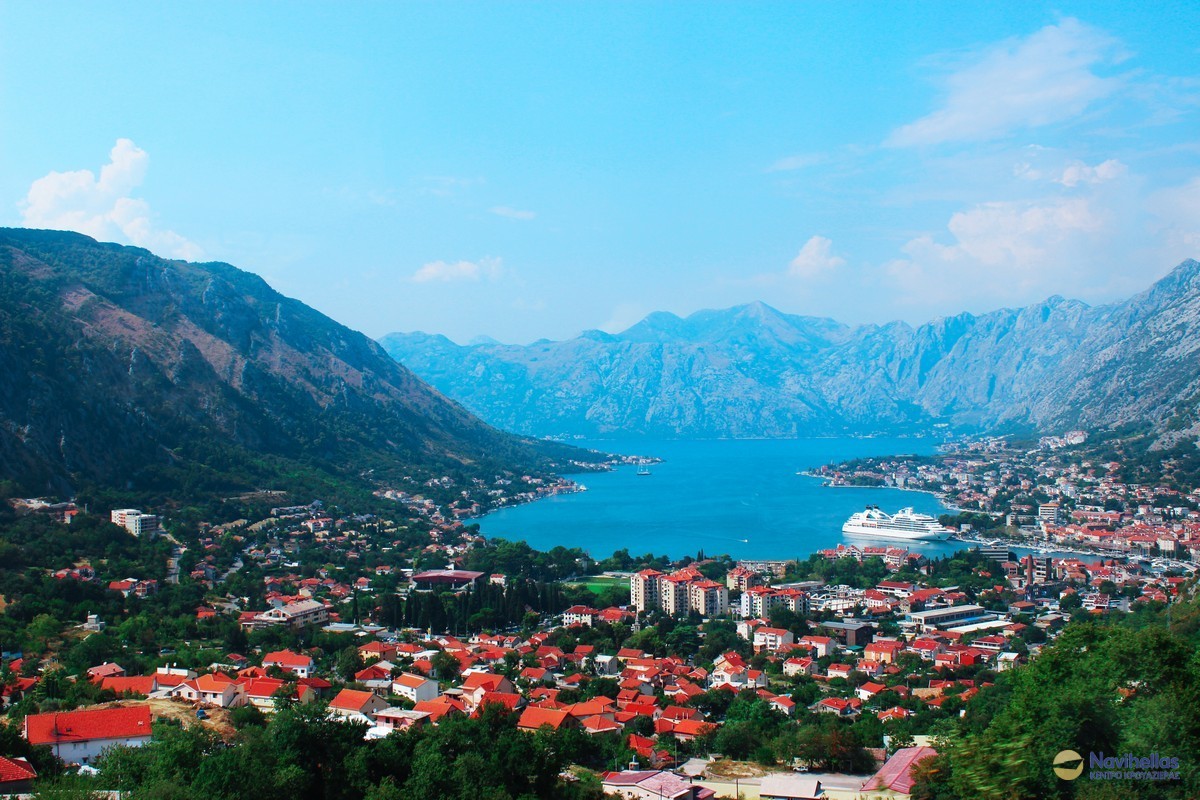
Kotor is a historic coastal town set at the head of the dramatic Bay of Kotor, where steep limestone mountains rise above calm Adriatic waters. Its compact medieval Old Town, surrounded by Venetian walls, combines grand squares, stone churches and winding lanes with a relaxed Montenegrin atmosphere.
Once an important maritime and trading centre, Kotor has a rich history shaped by the Byzantine, Venetian and Austro-Hungarian periods. The city and the natural setting of the Bay of Kotor are protected as a UNESCO World Heritage Site, making Kotor cruise port one of the most scenic destinations in the Adriatic.
Cruise ships usually dock close to Kotor Old Town, so passengers can begin exploring almost immediately. From the waterfront, it is easy to walk to the historic centre, visit museums and churches, enjoy a meal beside the bay, or join a boat trip to nearby Perast and Our Lady of the Rocks.
Top attractions and sights in Kotor
Beaches near Kotor
Kotor is best known for its heritage and mountain scenery rather than broad sandy beaches. Along the bay, visitors can find small waterfront bathing areas and concrete platforms, particularly around Dobrota, where locals swim in the clear water during the warmer months.
For a more traditional beach experience, organised excursions can travel to the Luštica Peninsula, including Plavi Horizonti Beach, or to other coastal resorts in the Bay of Kotor and along the Adriatic coast. Travel time can vary with summer traffic, so cruise passengers should allow plenty of time to return to the ship.
Local products and shopping in Kotor
Kotor’s Old Town has independent shops and market stalls selling souvenirs inspired by Montenegro’s maritime, religious and mountain traditions. Popular purchases include handmade ceramics, woven textiles, embroidered items, traditional jewellery, olive-wood crafts and locally made soaps.
Food and local cuisine in Kotor
Dining in Kotor brings together Adriatic seafood, Balkan specialities and the culinary traditions of the Bay of Kotor. Waterfront restaurants and Old Town taverns are good places to try local dishes during a cruise day, although service can be leisurely during busy periods.
Tips for cruise passengers in Kotor
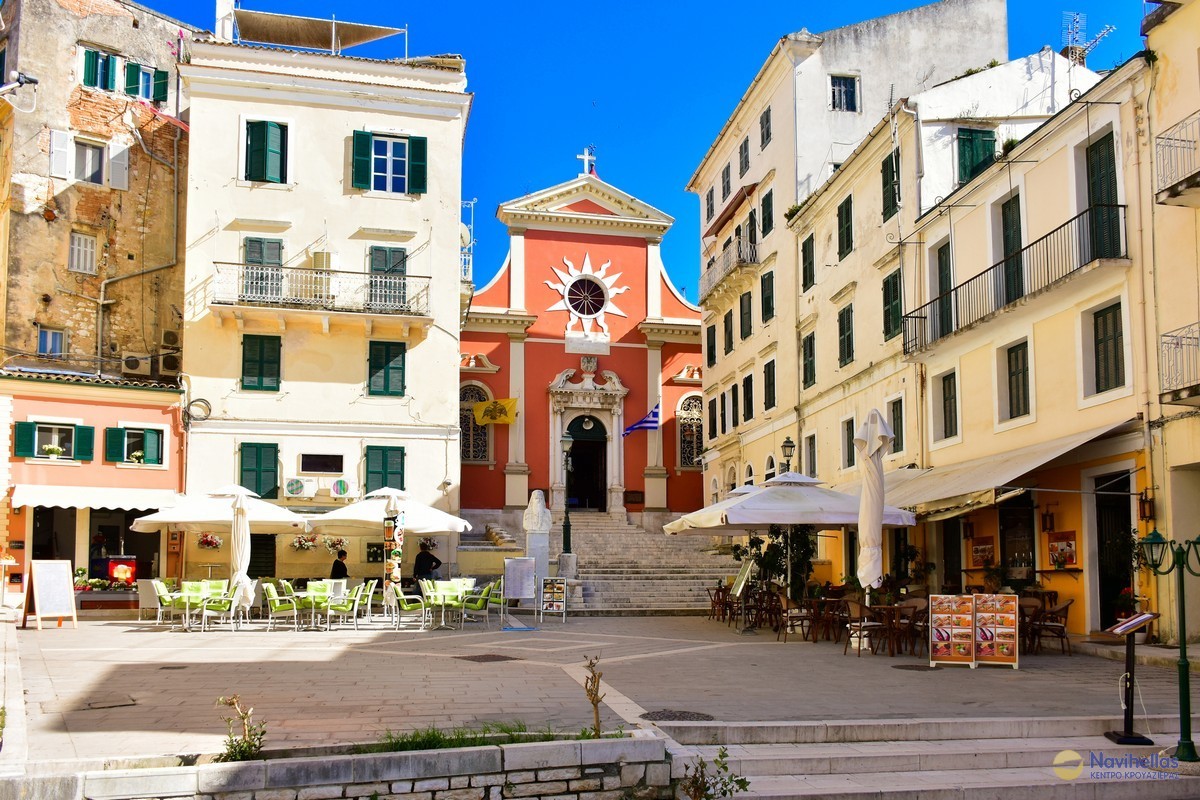
Corfu, known locally as Κέρκυρα (Kérkyra), is one of Greece’s most atmospheric island destinations. Its elegant Venetian architecture, lush countryside, turquoise coastline and long, complex history give it a character distinct from many other Greek islands. The island blends Greek, Venetian, French and British influences, creating a cosmopolitan atmosphere around the historic town.
Most cruise ships arrive at Corfu’s New Port, near the island capital. From the cruise terminal, visitors can easily reach Corfu Old Town, a UNESCO World Heritage Site, where arcaded squares, narrow lanes and imposing fortresses make a memorable setting for a day ashore. The port is also a convenient starting point for excursions to beaches, palaces and traditional villages.
Top attractions and sights
Corfu Old Town is the essential destination for cruise passengers. Wander through the kantounia, the town’s narrow Venetian lanes, and visit the Liston, an elegant arcade facing the Spianada, one of the largest town squares in Greece. The area is ideal for a relaxed walk, coffee or browsing small shops.
Beaches
Several attractive beaches can be reached from Corfu Town by taxi, local transport or organised shore excursion. The closest convenient options include the beaches around Anemomylos and Mon Repos, while larger resorts and bays are found farther from the port.
Local products and shopping
Corfu is famous for products that reflect its Mediterranean landscape and long trading history. Extra virgin olive oil, green and black olives, local honey and kumquat products are among the most popular edible souvenirs. The island’s distinctive kumquat liqueur, made from fruit introduced to Corfu in the nineteenth century, is also widely available.
In the old town, look for handmade soaps, beeswax goods, local herbs, olive-wood kitchenware and traditional sweets. Corfiot embroidery, ceramics and jewellery make attractive gifts, while small delicatessens are useful places to find regional olive oil, kumquat preserves and packaged sweets suitable for travelling.
Food and local cuisine
Corfiot cuisine combines Greek ingredients with Venetian influences. One of the island’s best-known dishes is sofrito, usually made with thin slices of veal cooked in a white wine, garlic and vinegar sauce. Pastitsada, traditionally prepared with meat and a richly spiced tomato sauce served over pasta, is another signature dish.
Tips for cruise passengers
Corfu cruise ships dock at the New Port, where passengers may find a shuttle service, taxis and organised excursions. The historic centre is not at the cruise berth itself, so check the ship’s arrangements before walking away from the terminal. Taxis are useful for reaching Kanoni, Mon Repos or beaches beyond the town, while guided tours can combine the old town with attractions farther across the island.
For a first visit, make Corfu Old Town the priority. Allow time for the Old Fortress, Saint Spyridon Church, the Liston and the atmospheric backstreets before stopping for a local meal or coffee. If you prefer a sightseeing excursion, combine the town with Kanoni and Mouse Island, or choose the Achilleion area when access is available. Leave plenty of time to return to the port, particularly when travelling by taxi or visiting beaches outside Corfu Town.
Comfortable shoes are valuable on the old town’s uneven stone streets, and summer visitors should carry water, sun protection and a hat. Corfu can become busy when several cruise ships are in port, so starting early is the best way to enjoy the fortresses and narrow lanes at a quieter pace.
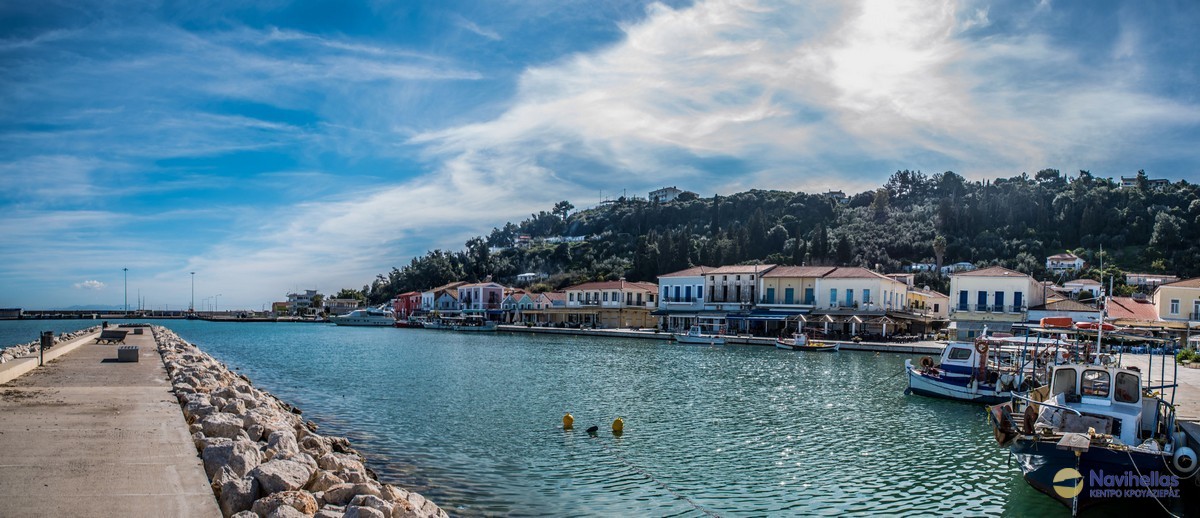
Katakolon is a small seaside port on the western coast of the Peloponnese, best known as the gateway to Ancient Olympia. With its relaxed waterfront, traditional tavernas and welcoming atmosphere, the village offers a gentle introduction to the landscapes and culture of Greece. The port is officially known in Greek as Κατάκολο (Αρχ. Ολυμπία).
Most cruise passengers visit Katakolon to explore Olympia, the birthplace of the ancient Olympic Games. The sacred site was one of the most important religious centres of the ancient world, dedicated to Zeus, and remains one of the Peloponnese’s most memorable archaeological destinations. Katakolon itself is compact and easy to explore, with the port, shops and seafront restaurants close together.
The port of Katakolon welcomes cruise ships directly beside the village. From here, passengers can spend the day discovering Ancient Olympia, relaxing on a nearby beach or enjoying fresh Greek food overlooking the Ionian Sea.
Top attractions and sights in Katakolon and Olympia
Ancient Olympia is the main attraction near Katakolon and a highlight of any Greek cruise itinerary. The archaeological site includes the remains of the Temple of Zeus, the Temple of Hera, the ancient stadium, the palaestra and other buildings connected with worship, sport and daily life. Walking among the ruins gives a vivid impression of the setting where the Olympic Games were held for centuries.
The Archaeological Museum of Olympia contains important discoveries from the sanctuary, including sculptures, architectural fragments and objects from the ancient site. Its celebrated exhibits include the Hermes of Praxiteles and the impressive sculptures from the Temple of Zeus. The Museum of the History of the Olympic Games in Antiquity provides further insight into the origins and traditions of the ancient sporting festival.
Back in Katakolon, the seafront promenade is ideal for a leisurely stroll after an excursion. Small cafés, tavernas and souvenir shops line the waterfront, while the village’s modest streets offer views of fishing boats and the Ionian coastline. The nearby Museum of Ancient Greek Technology presents reconstructions of inventions attributed to the ancient Greeks and can be an interesting alternative for visitors who want to remain close to the port.
Beaches near Katakolon
Katakolon is close to several beaches where cruise passengers can enjoy a swim or a relaxing break by the sea. Agios Andreas Beach, near the port area, is one of the most convenient options and has a laid-back coastal atmosphere with places to eat and drink.
Kourouta Beach, near the town of Amaliada, is a popular sandy beach with beach bars, cafés and a livelier summer atmosphere. Skafidia Beach, close to the Skafidia area and its monastery, is another attractive choice for visitors seeking clear water and a scenic Ionian setting. Travel time and transport availability can vary, so passengers should allow plenty of time to return to the ship.
Local products and shopping in Katakolon
Katakolon’s shops are a convenient place to look for authentic Peloponnese souvenirs. Popular purchases include extra-virgin olive oil, local olives, honey, herbs, dried fruit and Greek wine. The region of Elis is known for its agricultural produce, making food gifts a practical way to take home a taste of western Greece.
Visitors can also find olive-wood kitchenware, handmade ceramics, leather goods, embroidered textiles and jewellery inspired by ancient Greek designs. Souvenirs featuring the Olympic rings, Greek mythology or the ruins of Olympia are widely available near the port. Look for locally produced items and check packaging requirements before buying food products for international travel.
Food and local cuisine in Katakolon
Katakolon’s waterfront tavernas serve classic Greek dishes alongside fresh seafood. Look for grilled fish, prawns, calamari, octopus, Greek salad, tzatziki, stuffed vine leaves and moussaka. Grilled meats, souvlaki and seasonal vegetables are also dependable choices for a relaxed meal before returning to the ship.
The Peloponnese is celebrated for its olive oil, olives, honey and wine, so these ingredients feature prominently in local cooking. In western Greece, visitors may also encounter kagianas, a rustic dish of eggs cooked with tomato and pork. For dessert, try baklava, yoghurt with honey and nuts, or loukoumades, small fried dough balls served with honey or syrup.
Greek coffee, iced coffee and regional wines are easy to enjoy at a café along the Katakolon waterfront. A leisurely lunch with local wine and a view of the harbour is one of the simplest ways to experience the village during a cruise stop.
Tips for cruise passengers
The cruise port is beside Katakolon village, so the waterfront, cafés and souvenir shops are generally easy to reach on foot from the ship. Taxis, private tours and organised shore excursions provide transport to Ancient Olympia, while local rail services may operate between the port area and Olympia depending on the season and timetable.
Ancient Olympia is inland, so passengers should choose transport carefully and allow time for the return journey. An organised excursion is a convenient option for cruise visitors who want guided commentary and a planned schedule. Independent travellers should confirm return transport before leaving the port and keep the ship’s all-aboard time in mind.
For the best use of a day in Katakolon, start with Ancient Olympia if it is your main priority, then return to the village for lunch, shopping or a short beach visit. Wear comfortable shoes and bring sun protection, particularly when exploring the largely open archaeological site. During hot weather, carry water and plan breaks in the shade. If you prefer a relaxed day, remain in Katakolon, enjoy the seafront and explore the local shops without travelling inland.
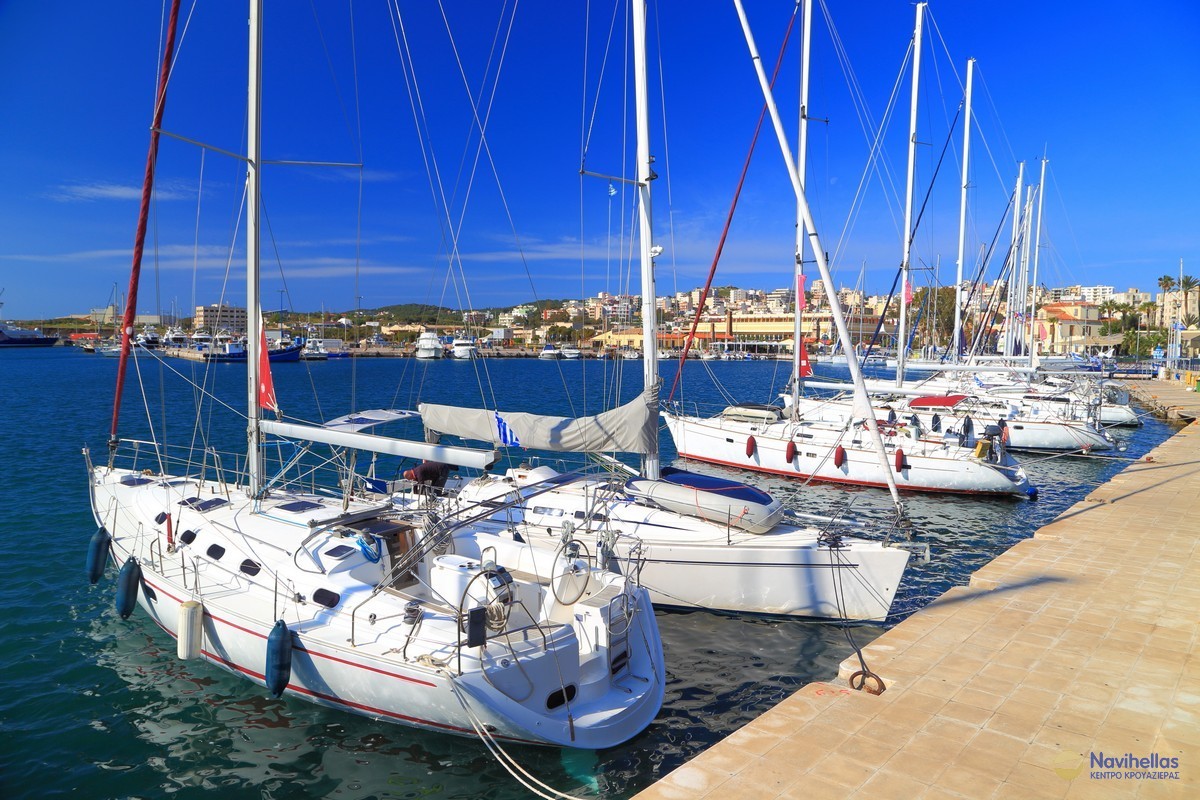
Lavrion, also known as Laurium, is a historic port town on the southeastern tip of Attica, Greece. Once famous for its rich silver mines, the town combines ancient history, industrial heritage, lively waterfront tavernas and the relaxed atmosphere of a working Aegean harbour.
The port of Lavrion welcomes cruise passengers as well as ferries serving the Cyclades and nearby islands. Its location makes it a convenient gateway to Cape Sounion and the Temple of Poseidon, while the town itself offers museums, neoclassical buildings, seafood restaurants and reminders of the mining industry that shaped the region from antiquity through the 19th century.
Top attractions and sights
The Archaeological Museum of Lavrion presents finds from the wider Laurium area, including objects connected with ancient mining and the important ancient settlements of southeastern Attica. It is a useful introduction to the region before exploring the archaeological sites.
Lavrion’s Mineralogical Museum focuses on the minerals and ores extracted from the local mines. Displays explain the area’s silver-mining history and show the distinctive geological wealth that made Laurium important in ancient Greece.
The Lavrion Technological Cultural Park occupies the former industrial complex of the French Mining Company. Its preserved workshops, industrial buildings and mining-related installations provide an atmospheric look at the town’s modern industrial past.
For ancient history, visit the Ancient Theatre of Thorikos, one of the oldest theatres in Greece, located on a hillside overlooking the mining region. The nearby remains of ancient Thorikos and the surrounding landscape reveal how closely the settlement was connected to mining and maritime trade.
A popular excursion from Lavrion is Cape Sounion, where the Temple of Poseidon stands dramatically above the Aegean Sea. The clifftop setting is especially memorable in the late afternoon, although cruise passengers should allow plenty of time for the return journey to the ship.
Beaches
Several beaches are found along the coast near Lavrion. Pountazeza Beach, south of the town, is a pleasant option for swimming in clear Aegean water, while the coves around Daskalio offer a quieter coastal setting. Vromopousi Beach, farther along the southeastern Attica coast, is another recognised seaside option for passengers with transport and sufficient time.
Beach access and facilities can vary by season, so a taxi or organised shore excursion is usually the simplest way to reach the coast during a one-day port visit.
Local products and shopping
Lavrion’s mining heritage is reflected in local museum shops and specialist collections, where visitors may find mineral specimens and educational souvenirs connected with the ancient Laurium mines. These make more distinctive keepsakes than generic beach souvenirs.
Look for Greek products such as extra-virgin olive oil, local honey, herbs, olives and regional wines in small food shops and markets. Handmade ceramics, leather goods and traditional Greek crafts are also practical souvenirs to seek out in Lavrion and nearby Attica.
The waterfront and town centre are good places to browse for packaged foods and gifts before returning to the ship. When buying mineral specimens, choose reputable sellers and ask about their origin rather than collecting pieces from archaeological or protected sites.
Food and local cuisine
As a traditional port town, Lavrion is a good place to enjoy fresh seafood. Waterfront tavernas commonly serve grilled fish, calamari, octopus, prawns and mussels, depending on the daily catch. Greek favourites such as grilled meats, village salad, tzatziki, stuffed vegetables and fried courgettes are also widely available.
Try fava, a smooth yellow split-pea purée often served with olive oil and onions, or gemista, tomatoes and peppers filled with rice and herbs. For a quick meal, souvlaki and gyros are convenient choices close to the port and town centre.
Greek coffee, iced freddo coffee and local wines pair well with a leisurely break. For dessert, look for baklava, galaktoboureko or loukoumades, small fried doughnuts served with honey or syrup.
Tips for cruise passengers
Lavrion port is close to the town, although the exact walking arrangements depend on the ship’s berth and port security procedures. Taxis and organised shore excursions are the most convenient options for reaching central Lavrion, the museums, Thorikos or Cape Sounion. Check with the port or ship staff before walking beyond the terminal area.
A short visit can focus on the waterfront, the Archaeological Museum, the Mineralogical Museum and the Technological Cultural Park. If Cape Sounion is your priority, arrange transport in advance and allow a generous buffer for traffic and the return to Lavrion.
Wear comfortable shoes, particularly for archaeological sites and uneven industrial areas, and carry sun protection during the warmer months. Museums and archaeological attractions may follow seasonal schedules, so confirm current arrangements before leaving the ship. Keep some time for a Greek meal or coffee by the harbour before returning on board.


