from €369
Greece, Italy & Turkey from Piraeus (26MSC140)
7-day cruise on the MSC Sinfonia to Greece - Turkey - Italy

6-Day Cruise from Piraeus (26MSC445)
Discover the beauty of Greece and southern Italy on a 6-day Mediterranean cruise from Piraeus aboard MSC Sinfonia. This round-trip cruise combines ancient history, spectacular Ionian landscapes, elegant Italian culture and relaxing days at sea, with calls at Katakolon, Argostoli, Corfu and Bari before returning to Piraeus.
Cruise Route
Piraeus, Greece
Located near Athens, Piraeus is Greece’s principal passenger port and one of the most important gateways to the Aegean Sea. Before or after your cruise, discover the historic capital of Greece, home to the Acropolis, the Parthenon, the Acropolis Museum and the atmospheric districts of Plaka and Monastiraki.
Piraeus itself offers a lively waterfront, traditional tavernas, marina promenades and easy access to Athens. The port is an ideal starting point for a Mediterranean cruise that combines classical heritage with island scenery and Italian coastal culture.
Katakolon and Ancient Olympia, Greece
Katakolon is a picturesque seaside village on the western coast of the Peloponnese and the main cruise gateway to Ancient Olympia. The archaeological site of Olympia is one of Greece’s most important historic destinations and the birthplace of the Olympic Games.
Visitors can explore the ancient stadium, temples and ruins surrounded by green countryside. The Archaeological Museum of Olympia contains remarkable sculptures and artefacts, including treasures associated with the ancient sanctuary. Katakolon also offers a pleasant waterfront lined with cafés, restaurants and small shops.
For a relaxing alternative, enjoy the local coastline and nearby beaches, where clear waters and a laid-back atmosphere make the area ideal for a leisurely Mediterranean escape.
Argostoli, Kefalonia, Greece
Argostoli, the capital of Kefalonia, combines natural beauty, traditional island character and a lively seafront. The town is set around a scenic bay and is known for its waterfront promenade, cafés, seafood restaurants and local markets.
Kefalonia is famous for its impressive landscapes and beautiful beaches. Depending on your interests, explore the spectacular Melissani Cave, admire the stalactites and underground lake at Drogarati Cave, or visit the picturesque villages and coastal viewpoints around the island.
The island’s beaches are among the highlights of the Ionian Sea. Myrtos Beach is renowned for its dramatic white-pebble shoreline and turquoise water, while quieter coves and sandy beaches offer excellent opportunities for swimming and relaxation. Argostoli is also associated with the loggerhead turtles that can sometimes be spotted in the surrounding waters.
Corfu, Greece
Corfu is one of the most captivating Greek islands, celebrated for its Venetian architecture, lush scenery and inviting beaches. The UNESCO-listed Old Town of Corfu is a highlight, with elegant arcades, narrow streets, historic squares and impressive fortresses overlooking the sea.
Explore the Old Fortress, visit the Liston promenade and enjoy the atmosphere of Spianada Square. Corfu also offers a rich combination of Greek, Venetian, French and British influences, reflected in its architecture, cuisine and cultural heritage.
Outside the town, the island is ideal for scenic excursions. Visit the palace and gardens of Achilleion, discover traditional villages or head to one of Corfu’s many beaches. Paleokastritsa is particularly popular for its spectacular bays, clear waters and green hills, while other coastal resorts provide excellent opportunities for swimming and sunbathing.
Bari, Italy
Bari, the capital of Apulia, is a lively Italian port city on the Adriatic Sea. Its historic centre, known as Bari Vecchia, is a maze of atmospheric stone streets, small squares and traditional homes. The Basilica of Saint Nicholas is one of the city’s most important landmarks and attracts visitors from around the world.
Stroll along the seafront, sample regional specialities and experience the authentic character of southern Italy. Bari is well known for its local cuisine, including handmade orecchiette pasta, fresh seafood, focaccia and Apulian wines.
The port is also a convenient base for exploring nearby destinations. The whitewashed town of Alberobello, famous for its conical trulli houses, and the charming coastal towns of Polignano a Mare and Monopoli are among the most popular excursions in the region. Bari’s surrounding coastline features clear Adriatic waters, rocky coves and attractive beaches.
Life at Sea aboard MSC Sinfonia
MSC Sinfonia provides a comfortable and welcoming setting for a classic Mediterranean cruise. Inspired by the great symphonies of Europe, the ship combines traditional elegance with modern cruise amenities and friendly service.
With time to unwind between port visits, guests can enjoy the sea, take part in onboard activities or simply relax on deck while sailing through the Mediterranean.
A Mediterranean Cruise Filled with History and Island Beauty
This 6-day cruise from Piraeus is an excellent choice for travellers seeking a varied Mediterranean holiday. From the ancient wonders of Olympia and Athens to the beaches of Kefalonia and Corfu, and from the historic streets of Bari to the relaxing atmosphere of life at sea, the route offers a memorable combination of culture, scenery, cuisine and coastal discovery aboard MSC Sinfonia.
Expression of Interest:
 Port of Embarkation
 Port of Call
 Port of Disembarkation
 Embarkation and Disembarkation Port
7-day cruise on the MSC Sinfonia to Greece - Turkey - Italy
7-day cruise on the MSC Orchestra to Greece - Turkey - Italy
7-day cruise on the Celestyal Journey to Greece - Croatia - Montenegro - Italy
8-day cruise on the Celestyal Discovery to Greece - Turkey - Italy - France - Spain
6-day cruise on the Celestyal Journey to Greece - Croatia - Montenegro
21-day cruise on the Celestyal Discovery to Greece - Turkey - Italy - France - Spain - Gibraltar - Morocco - Portugal
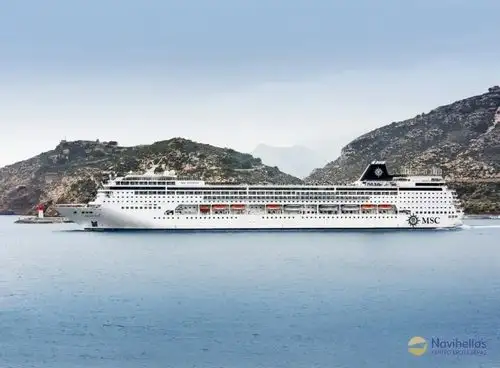
MSC Sinfonia is an elegant MSC Cruises cruise ship that combines classic Mediterranean style with a welcoming, relaxed atmosphere. At 65,542 gross tons, the ship offers a comfortable setting for exploring popular destinations while still providing plenty to do at sea. With 13 decks, 992 cabins and space for up to 2,679 guests, it feels substantial without becoming overwhelming.
Inspired by the world of music, MSC Sinfonia features refined public areas, stylish lounges and a lively selection of entertainment. The ship is a good choice for couples seeking a Mediterranean escape, families looking for a varied holiday and first-time cruisers who want an easy introduction to life at sea. Its range of restaurants, bars, activities and outdoor spaces makes it particularly suitable for travellers who enjoy having options throughout the day.
MSC Cruises is known for combining international hospitality with a distinctly Mediterranean character. On MSC Sinfonia, guests can enjoy relaxed days by the pool, evenings filled with music and entertainment, and the opportunity to discover fascinating ports on a Mediterranean cruise or Greek islands cruise.
Cabins and suites on MSC Sinfonia
MSC Sinfonia offers a choice of accommodation designed for different budgets and travel styles. Cabin categories include interior cabins, ocean-view cabins and balcony cabins, along with more spacious suite options. The ship also features balcony accommodation offering panoramic views, giving guests the chance to enjoy the changing seascape from the privacy of their own outdoor space.
Cabins are available through MSC Cruises’ Bella, Fantastica and Aurea experiences. These categories generally provide different levels of location, comfort and included services, allowing passengers to choose the experience that best suits their holiday plans. Interior cabins are a practical option for guests who spend most of their time exploring the ship and ashore, while ocean-view and balcony cabins bring more natural light and a stronger connection with the sea.
When selecting a cabin, consider its position as well as its category. A midship location can be convenient for passengers who prefer to minimise movement, while a cabin away from theatres, bars and busy public areas may be preferable for light sleepers. Families and longer-stay guests may also benefit from checking available layouts and connecting cabin options before booking.
On-board dining, restaurants and bars
Dining on MSC Sinfonia offers a broad choice of flavours and settings. The main restaurant provides a more traditional sit-down dining experience, while the buffet and cafeteria-style areas are well suited to relaxed breakfasts, informal lunches and flexible family meals. The expanded dining spaces give guests more room to enjoy a varied selection throughout the day.
For a change of style, passengers can look for speciality options including an Oriental restaurant and pizzeria. These choices make it easy to enjoy familiar favourites as well as international dishes during a Mediterranean cruise. Dining venues may vary in opening times and reservation requirements, so checking the daily programme is a useful way to plan meals.
MSC Sinfonia also has a varied collection of bars and social spaces. Options include a coffee bar, ice cream bar, piano and show bar, sports bar, pool bar, outdoor bar and pre-dinner bar. A cigar room and the main foyer bar provide additional places to meet friends, enjoy a drink or listen to music before an evening show.
Entertainment and activities on board
There is a lively choice of entertainment on MSC Sinfonia, both during the day and after sunset. The theatre hosts stage productions and other scheduled performances, while the ship’s music venues provide a more intimate way to enjoy live entertainment. Guests can also spend the evening at the discotheque, casino, poker room or one of the ship’s stylish lounges.
For daytime fun, the cruise ship features a 4D cinema, art arcade, video games, library, card room and photo gallery. A bowling area, golf simulator and shuffleboard provide enjoyable activities for different ages and ability levels. Sports enthusiasts can also make use of the basketball court, tennis facilities, sports centre and power-walking track.
The pool areas are central to life on board. MSC Sinfonia includes a main pool complex, a covered pool, a teens’ water slide and a dedicated Zen area. On port days, the ship’s excursions desk and daily programme can help passengers plan visits to historic cities, coastal villages and island highlights, including destinations that may feature on a Greek islands cruise.
Wellness and relaxation
Guests looking to unwind can visit the MSC Aurea Spa for beauty and relaxation services. The ship also offers a fitness area and sports facilities for passengers who want to stay active while travelling. A power-walking track provides an easy way to exercise outdoors while enjoying sea views.
For quieter moments, the solarium and Zen area offer spaces to slow down away from the livelier pool atmosphere. Whether you prefer a morning workout, a spa treatment or an afternoon relaxing in the sun, MSC Sinfonia makes it possible to create as active or restful a schedule as you wish.
Families and kids on MSC Sinfonia
MSC Sinfonia is a family-friendly cruise ship with facilities and activities designed to keep younger passengers entertained. A dedicated children’s area provides space for age-appropriate play, while the teens’ water slide and video games offer additional attractions for older children and teenagers.
Families can enjoy the covered pool, main pool complex, casual buffet dining and a choice of activities together. Parents may find it useful to review the children’s programme and entertainment schedule at the start of the cruise, as activities and supervised sessions can vary by sailing.
Tips for passengers on MSC Sinfonia
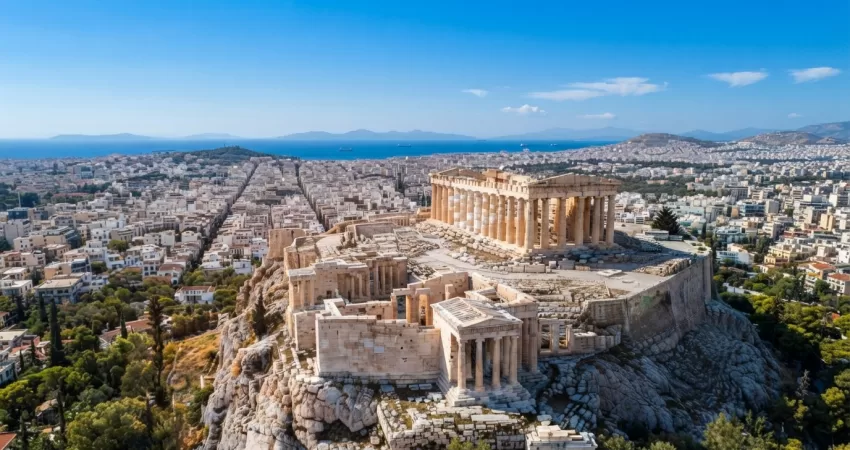
Athens is a city where ancient history, lively neighbourhoods and Mediterranean culture come together. As the birthplace of classical democracy and a major centre of ancient Greek civilisation, it offers cruise passengers the chance to see world-famous monuments, archaeological treasures and traditional streets during a single day in port.
Cruise ships dock at Piraeus, Greece’s principal passenger port and the historic maritime gateway to Athens. Piraeus has its own character, with busy waterfronts, fishing boats, tavernas and scenic harbours, while central Athens lies inland and is easily reached by public transport, taxi or organised shore excursion.
Whether you spend the day exploring the Acropolis, strolling through Plaka or enjoying seafood beside the water in Piraeus, Athens provides a memorable mix of ancient landmarks and modern Greek life.
Top attractions and sights
The Acropolis is Athens’ defining landmark and the essential sight for many cruise visitors. The hill is crowned by the Parthenon, while the Erechtheion, the Temple of Athena Nike and the Propylaea reveal the architectural ambition of classical Athens. From the summit, there are sweeping views across the city and towards the Saronic Gulf.
The Acropolis Museum is one of the city’s most important cultural attractions. Its galleries display sculptures and artefacts from the Acropolis, including the famous Caryatids, in a modern building with impressive views of the Parthenon.
Below the Acropolis, the historic neighbourhood of Plaka is ideal for a relaxed walk through narrow streets, neoclassical buildings, small shops and traditional cafés. Nearby Anafiotika has a distinctive island-style atmosphere, with whitewashed houses and quiet lanes beneath the Acropolis.
The Ancient Agora of Athens was once the political, commercial and social heart of the city. Its highlights include the remarkably preserved Temple of Hephaestus and the reconstructed Stoa of Attalos. The Roman Agora and the Arch of Hadrian are also within easy reach of the Acropolis area.
For a broader collection of Greek antiquities, visit the National Archaeological Museum, which houses masterpieces from the Mycenaean, Classical, Hellenistic and Roman periods. If you prefer to remain in Piraeus, the Piraeus Archaeological Museum presents important finds connected with the city’s ancient past and maritime history.
Back at the port, the waterfront areas of Mikrolimano and Pasalimani are popular for their harbourside restaurants and views of the sea. The hilltop district of Kastella offers attractive streets and elevated views over Piraeus and the Saronic Gulf.
Beaches
Piraeus has several seaside spots that can suit passengers who would rather enjoy the coast than travel into central Athens. Votsalakia Beach, near Kastella and the Mikrolimano area, is one of the better-known urban beaches close to the port. Freatida Beach, near the entrance to the Piraeus peninsula, is another local option with views across the water.
For a more extensive selection of organised beaches and seaside promenades, travellers can continue along the Athens Riviera towards Glyfada, Voula and other coastal suburbs. These areas require additional travel time, so they are best suited to passengers with a full day and a clear plan for returning to the ship.
Local products and shopping
Athens is a good place to shop for Greek food products, including extra virgin olive oil, honey, herbs, mountain tea, olives and regional cheeses. Packaged products are convenient souvenirs for cruise passengers, especially when luggage space and travel regulations are taken into account.
Traditional Greek crafts and gifts include handmade ceramics, leather sandals, woven textiles, olive-wood kitchenware and jewellery inspired by ancient Greek designs. Reproductions of classical sculptures, pottery and archaeological motifs are widely available around Plaka and the Monastiraki area.
Monastiraki is one of the city’s best-known shopping districts, combining souvenir shops, antique stalls, vintage goods and lively street scenes. Ermou Street offers mainstream shopping, while the Central Market area provides a more local atmosphere and a chance to browse Greek ingredients and delicatessen products.
Food and local cuisine
Athens is an excellent destination for trying classic Greek dishes. Look for moussaka, grilled souvlaki, gyros, spanakopita, stuffed vine leaves and Greek salad made with tomatoes, cucumber, olives and feta. Small meze restaurants are a good choice for sampling several dishes in one meal.
Seafood is particularly appealing around Piraeus, Mikrolimano and Pasalimani, where tavernas serve grilled fish, calamari, prawns and other dishes from the Aegean and Saronic Gulf. Local menus may also include octopus, fried small fish and seasonal vegetable dishes.
For a quick snack or dessert, try koulouri, a sesame-coated bread ring, or loukoumades, warm Greek doughnuts traditionally served with honey, syrup or cinnamon. Greek coffee and chilled frappé are popular drinks, while ouzo is commonly enjoyed with meze. Greek wine and regional spirits such as tsipouro are also worth discovering.
Tips for cruise passengers
From the cruise terminals in Piraeus, you can reach central Athens by metro, taxi, organised excursion or other local transport. The metro connects Piraeus with the city centre, although the best option depends on your terminal, mobility needs and the time available. Check the return route carefully before leaving the port.
Passengers visiting Athens for the first time should generally prioritise the Acropolis, the Acropolis Museum and the surrounding historic centre. Plaka, the Ancient Agora and Monastiraki can be combined with these sights, but it is wise to avoid an overambitious itinerary because queues, summer heat and city traffic may slow your day.
If you have already seen the Acropolis, consider spending your time in Piraeus at the Archaeological Museum, Kastella, Mikrolimano or Pasalimani. A waterfront lunch and a walk around the harbours offer a more relaxed way to experience the port city without travelling into central Athens.
Wear comfortable shoes, carry water and protect yourself from the sun, particularly when visiting exposed archaeological sites. Reserve popular attractions in advance when possible, allow plenty of time to return to the ship, and follow the cruise line’s recommended all-aboard time rather than relying on the last available public transport connection.
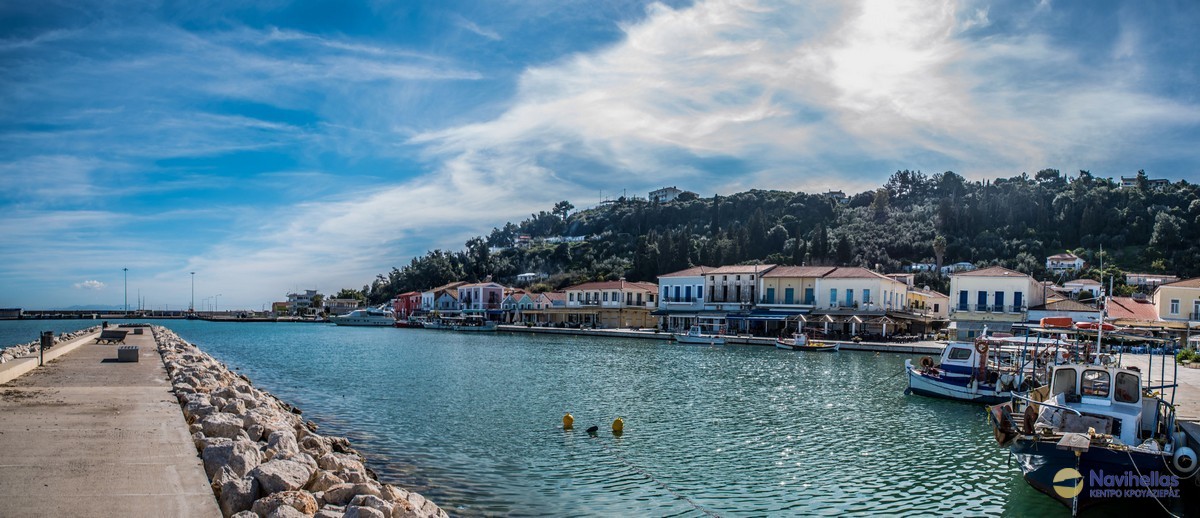
Katakolon is a small seaside port on the western coast of the Peloponnese, best known as the gateway to Ancient Olympia. With its relaxed waterfront, traditional tavernas and welcoming atmosphere, the village offers a gentle introduction to the landscapes and culture of Greece. The port is officially known in Greek as Κατάκολο (Αρχ. Ολυμπία).
Most cruise passengers visit Katakolon to explore Olympia, the birthplace of the ancient Olympic Games. The sacred site was one of the most important religious centres of the ancient world, dedicated to Zeus, and remains one of the Peloponnese’s most memorable archaeological destinations. Katakolon itself is compact and easy to explore, with the port, shops and seafront restaurants close together.
The port of Katakolon welcomes cruise ships directly beside the village. From here, passengers can spend the day discovering Ancient Olympia, relaxing on a nearby beach or enjoying fresh Greek food overlooking the Ionian Sea.
Top attractions and sights in Katakolon and Olympia
Ancient Olympia is the main attraction near Katakolon and a highlight of any Greek cruise itinerary. The archaeological site includes the remains of the Temple of Zeus, the Temple of Hera, the ancient stadium, the palaestra and other buildings connected with worship, sport and daily life. Walking among the ruins gives a vivid impression of the setting where the Olympic Games were held for centuries.
The Archaeological Museum of Olympia contains important discoveries from the sanctuary, including sculptures, architectural fragments and objects from the ancient site. Its celebrated exhibits include the Hermes of Praxiteles and the impressive sculptures from the Temple of Zeus. The Museum of the History of the Olympic Games in Antiquity provides further insight into the origins and traditions of the ancient sporting festival.
Back in Katakolon, the seafront promenade is ideal for a leisurely stroll after an excursion. Small cafés, tavernas and souvenir shops line the waterfront, while the village’s modest streets offer views of fishing boats and the Ionian coastline. The nearby Museum of Ancient Greek Technology presents reconstructions of inventions attributed to the ancient Greeks and can be an interesting alternative for visitors who want to remain close to the port.
Beaches near Katakolon
Katakolon is close to several beaches where cruise passengers can enjoy a swim or a relaxing break by the sea. Agios Andreas Beach, near the port area, is one of the most convenient options and has a laid-back coastal atmosphere with places to eat and drink.
Kourouta Beach, near the town of Amaliada, is a popular sandy beach with beach bars, cafés and a livelier summer atmosphere. Skafidia Beach, close to the Skafidia area and its monastery, is another attractive choice for visitors seeking clear water and a scenic Ionian setting. Travel time and transport availability can vary, so passengers should allow plenty of time to return to the ship.
Local products and shopping in Katakolon
Katakolon’s shops are a convenient place to look for authentic Peloponnese souvenirs. Popular purchases include extra-virgin olive oil, local olives, honey, herbs, dried fruit and Greek wine. The region of Elis is known for its agricultural produce, making food gifts a practical way to take home a taste of western Greece.
Visitors can also find olive-wood kitchenware, handmade ceramics, leather goods, embroidered textiles and jewellery inspired by ancient Greek designs. Souvenirs featuring the Olympic rings, Greek mythology or the ruins of Olympia are widely available near the port. Look for locally produced items and check packaging requirements before buying food products for international travel.
Food and local cuisine in Katakolon
Katakolon’s waterfront tavernas serve classic Greek dishes alongside fresh seafood. Look for grilled fish, prawns, calamari, octopus, Greek salad, tzatziki, stuffed vine leaves and moussaka. Grilled meats, souvlaki and seasonal vegetables are also dependable choices for a relaxed meal before returning to the ship.
The Peloponnese is celebrated for its olive oil, olives, honey and wine, so these ingredients feature prominently in local cooking. In western Greece, visitors may also encounter kagianas, a rustic dish of eggs cooked with tomato and pork. For dessert, try baklava, yoghurt with honey and nuts, or loukoumades, small fried dough balls served with honey or syrup.
Greek coffee, iced coffee and regional wines are easy to enjoy at a café along the Katakolon waterfront. A leisurely lunch with local wine and a view of the harbour is one of the simplest ways to experience the village during a cruise stop.
Tips for cruise passengers
The cruise port is beside Katakolon village, so the waterfront, cafés and souvenir shops are generally easy to reach on foot from the ship. Taxis, private tours and organised shore excursions provide transport to Ancient Olympia, while local rail services may operate between the port area and Olympia depending on the season and timetable.
Ancient Olympia is inland, so passengers should choose transport carefully and allow time for the return journey. An organised excursion is a convenient option for cruise visitors who want guided commentary and a planned schedule. Independent travellers should confirm return transport before leaving the port and keep the ship’s all-aboard time in mind.
For the best use of a day in Katakolon, start with Ancient Olympia if it is your main priority, then return to the village for lunch, shopping or a short beach visit. Wear comfortable shoes and bring sun protection, particularly when exploring the largely open archaeological site. During hot weather, carry water and plan breaks in the shade. If you prefer a relaxed day, remain in Katakolon, enjoy the seafront and explore the local shops without travelling inland.
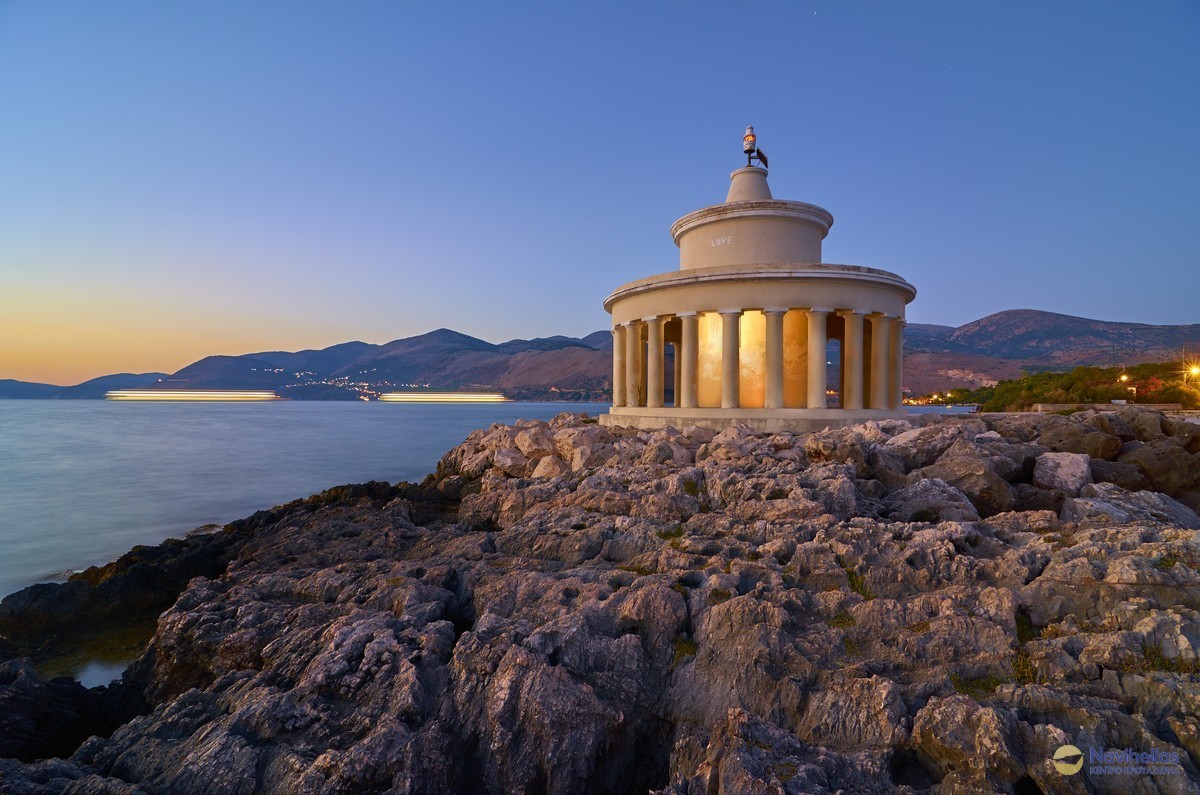
Argostoli, the capital of Kefalonia, stretches around a sheltered bay on the island’s western coast. The town combines a relaxed waterfront atmosphere with lively cafés, traditional tavernas and a distinctly Greek island character. Although a major earthquake in 1953 destroyed much of the old town, Argostoli was rebuilt and remains Kefalonia’s main commercial and cultural centre.
The port of Argostoli welcomes cruise passengers directly into the heart of the island’s capital, with the waterfront, shopping streets and central squares close at hand. The town is also an excellent starting point for exploring Kefalonia’s famous caves, mountain villages, vineyards and beaches, whether by taxi, rental car or organised shore excursion.
Top attractions and sights
The Argostoli waterfront is the natural starting point for a day ashore. Stroll along the harbour promenade, where colourful fishing boats share the water with visiting yachts, and look for the loggerhead sea turtles that sometimes appear near the fishing boats and waterfront.
Beaches
Several attractive beaches are accessible from Argostoli, making a short beach visit possible during a cruise call. Makris Gialos and Platis Gialos are among the most convenient choices, offering clear water, sandy shores and nearby facilities during the summer season.
Gradakia Beach, near Lassi, is another popular option with a more intimate setting. Travellers taking a longer island excursion can visit Myrtos Beach, one of Kefalonia’s most famous coastal viewpoints, although the drive and winding roads mean that timing is important on a cruise day. Xi Beach, known for its reddish-golden sand and pale cliffs, is farther away on the Paliki Peninsula.
Local products and shopping
Argostoli’s shops and market stalls are good places to look for edible souvenirs and island-made gifts. Kefalonia is particularly known for its Robola wine, produced from the native Robola grape in vineyards around the island’s central mountains.
Food and local cuisine
Kefalonian cuisine makes generous use of olive oil, fresh vegetables, herbs, seafood and locally produced cheese. Argostoli’s waterfront tavernas are ideal for a leisurely Greek lunch, while smaller eateries away from the harbour often offer traditional island recipes.
Tips for cruise passengers
Depending on the ship and sailing conditions, cruise passengers may arrive at Argostoli’s cruise berth or be brought ashore by tender. The waterfront and central town are generally easy to explore on foot once you arrive, with cafés, shops and restaurants close to the harbour.
For a relaxed day, combine a waterfront walk with De Bosset Bridge, the Archaeological Museum and a meal in town. If you want to see Melissani Cave, Myrtos Beach, Saint Gerasimos Monastery or Assos, book an organised shore excursion or arrange reliable transport in advance, as roads can be winding and sightseeing stops take time.
Start longer excursions early and allow plenty of time to return to the port. Wear comfortable shoes, carry sun protection and water, and check your ship’s all-aboard time before leaving Argostoli. If you are visiting in the warmer months, reserve time for a swim at Makris Gialos or Platis Gialos, but keep your beach stop flexible so that you can return comfortably before departure.
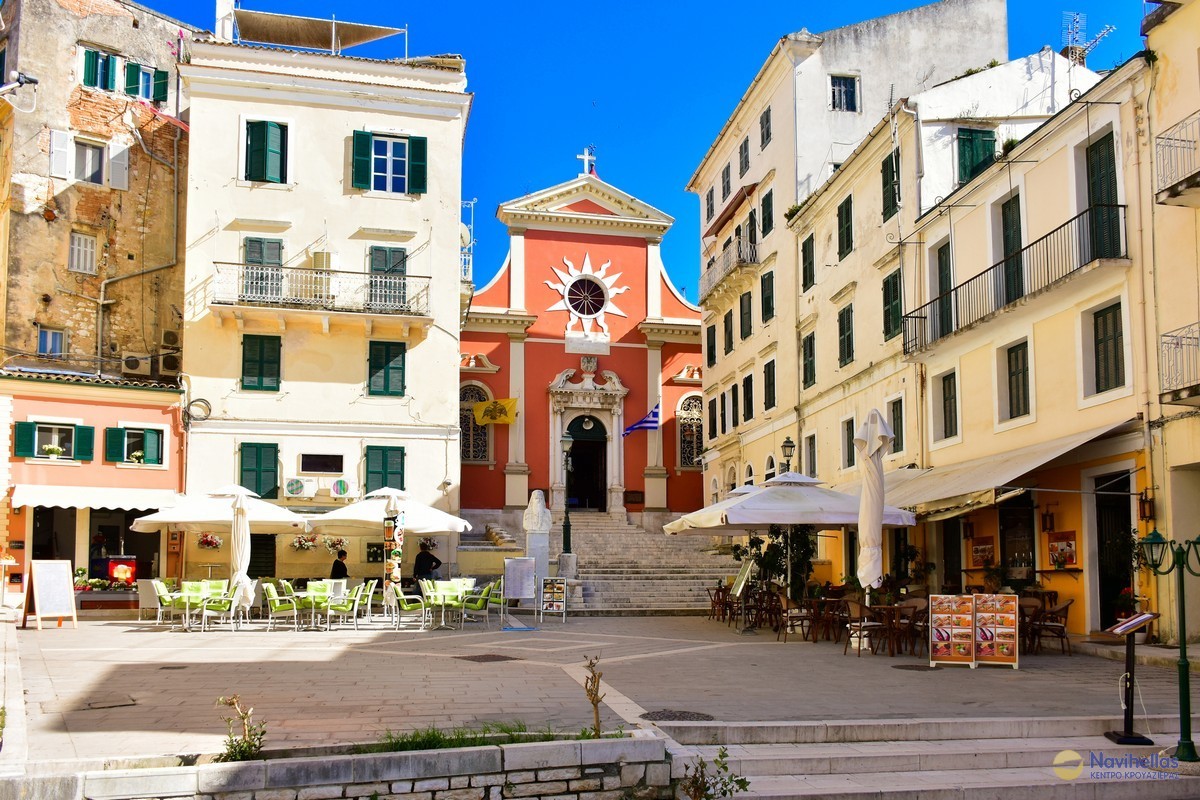
Corfu, known locally as Κέρκυρα (Kérkyra), is one of Greece’s most atmospheric island destinations. Its elegant Venetian architecture, lush countryside, turquoise coastline and long, complex history give it a character distinct from many other Greek islands. The island blends Greek, Venetian, French and British influences, creating a cosmopolitan atmosphere around the historic town.
Most cruise ships arrive at Corfu’s New Port, near the island capital. From the cruise terminal, visitors can easily reach Corfu Old Town, a UNESCO World Heritage Site, where arcaded squares, narrow lanes and imposing fortresses make a memorable setting for a day ashore. The port is also a convenient starting point for excursions to beaches, palaces and traditional villages.
Top attractions and sights
Corfu Old Town is the essential destination for cruise passengers. Wander through the kantounia, the town’s narrow Venetian lanes, and visit the Liston, an elegant arcade facing the Spianada, one of the largest town squares in Greece. The area is ideal for a relaxed walk, coffee or browsing small shops.
Beaches
Several attractive beaches can be reached from Corfu Town by taxi, local transport or organised shore excursion. The closest convenient options include the beaches around Anemomylos and Mon Repos, while larger resorts and bays are found farther from the port.
Local products and shopping
Corfu is famous for products that reflect its Mediterranean landscape and long trading history. Extra virgin olive oil, green and black olives, local honey and kumquat products are among the most popular edible souvenirs. The island’s distinctive kumquat liqueur, made from fruit introduced to Corfu in the nineteenth century, is also widely available.
In the old town, look for handmade soaps, beeswax goods, local herbs, olive-wood kitchenware and traditional sweets. Corfiot embroidery, ceramics and jewellery make attractive gifts, while small delicatessens are useful places to find regional olive oil, kumquat preserves and packaged sweets suitable for travelling.
Food and local cuisine
Corfiot cuisine combines Greek ingredients with Venetian influences. One of the island’s best-known dishes is sofrito, usually made with thin slices of veal cooked in a white wine, garlic and vinegar sauce. Pastitsada, traditionally prepared with meat and a richly spiced tomato sauce served over pasta, is another signature dish.
Tips for cruise passengers
Corfu cruise ships dock at the New Port, where passengers may find a shuttle service, taxis and organised excursions. The historic centre is not at the cruise berth itself, so check the ship’s arrangements before walking away from the terminal. Taxis are useful for reaching Kanoni, Mon Repos or beaches beyond the town, while guided tours can combine the old town with attractions farther across the island.
For a first visit, make Corfu Old Town the priority. Allow time for the Old Fortress, Saint Spyridon Church, the Liston and the atmospheric backstreets before stopping for a local meal or coffee. If you prefer a sightseeing excursion, combine the town with Kanoni and Mouse Island, or choose the Achilleion area when access is available. Leave plenty of time to return to the port, particularly when travelling by taxi or visiting beaches outside Corfu Town.
Comfortable shoes are valuable on the old town’s uneven stone streets, and summer visitors should carry water, sun protection and a hat. Corfu can become busy when several cruise ships are in port, so starting early is the best way to enjoy the fortresses and narrow lanes at a quieter pace.
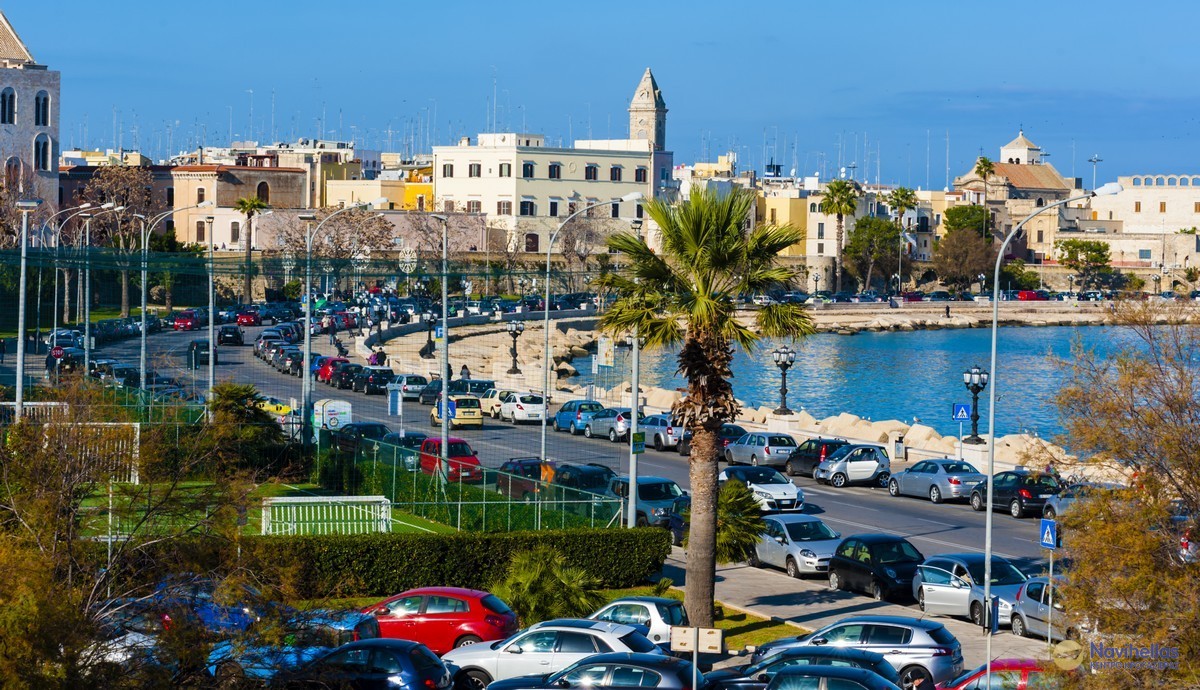
Bari, the lively capital of Puglia, combines a historic Adriatic port with a warm, distinctly southern Italian atmosphere. Its ancient old town, known as Bari Vecchia, is a maze of narrow lanes, stone arches and small squares where everyday life unfolds alongside centuries-old churches and traditional food workshops.
The city has long been an important crossroads between Italy and the eastern Mediterranean. Its most famous landmark is the Basilica of Saint Nicholas, which attracts both Catholic and Orthodox pilgrims, while the seafront, historic harbour and elegant modern districts give Bari a varied character that is easy to enjoy during a day in port.
Cruise ships dock at the Port of Bari, whose cruise facilities provide convenient access to the city centre. From the port area, passengers can explore many central sights on foot, although taxis and local transport are useful for beaches and attractions farther from Bari Vecchia.
Top attractions and sights
Bari Vecchia is the ideal place to begin sightseeing. Wander through its atmospheric lanes to see local residents making fresh orecchiette pasta by hand, discover small courtyards, and admire the simple stone architecture of the old town.
Beaches
Bari has several urban beaches suitable for passengers who want time by the sea without leaving the city. Pane e Pomodoro Beach is the best-known option, with a broad shoreline, swimming areas and views back towards Bari. Torre Quetta, farther along the coast, is another popular seaside area with space for swimming and relaxing during the warmer months.
Beach conditions and facilities can vary by season, so passengers should allow time for the return journey to the cruise port. For a short port visit, the old town and waterfront usually offer a more convenient combination of sightseeing, food and sea views.
Local products and shopping
Bari and the wider Puglia region are known for high-quality Mediterranean food products. Extra-virgin olive oil is one of the best souvenirs to take home, while regional wines, taralli, dried pasta and preserved vegetables are easy to find in speciality food shops and markets.
The streets around Bari Vecchia, the central shopping district and the food markets are good places to browse for regional specialities. Check local customs and airline restrictions before buying liquids or perishable products.
Food and local cuisine
Bari’s cuisine is simple, generous and strongly connected to Puglia’s farms and coastline. Fresh seafood, vegetables, durum wheat pasta and olive oil feature prominently on menus throughout the city.
For dessert, try traditional almond-based sweets or gelato, and pair a meal with a glass of Puglian wine. Bari Vecchia is particularly atmospheric for tasting local dishes in a traditional setting.
Tips for cruise passengers
The Port of Bari is close to the city centre, and many cruise passengers can reach Bari Vecchia from the port area on foot. The exact route depends on the berth and terminal arrangements on the day, so follow the port’s pedestrian directions and allow extra time when returning to the ship.