Mediterranean Discovery – 21 Days from Piraeus (CC8)
21-day cruise on the Celestyal Discovery to Greece - Turkey - Italy - France - Spain - Gibraltar - Morocco - Portugal
From Piraeus to Tarragona - 8 Days (CC5)
Experience an unforgettable Mediterranean cruise from Piraeus to Tarragona aboard Celestyal Discovery. This 8-day cruise combines the ancient treasures of Greece and Turkey with the scenic beauty of Sicily, the cultural highlights of Italy, the glamour of the French Riviera and the historic charm of Spain.
From the archaeological wonders of Ephesus and Pompeii to Rome, Naples, Nice and Tarragona, this Mediterranean cruise offers an inspiring blend of history, art, cuisine and coastal scenery. Enjoy a relaxing day at sea as you travel between some of the most fascinating destinations in the Mediterranean.
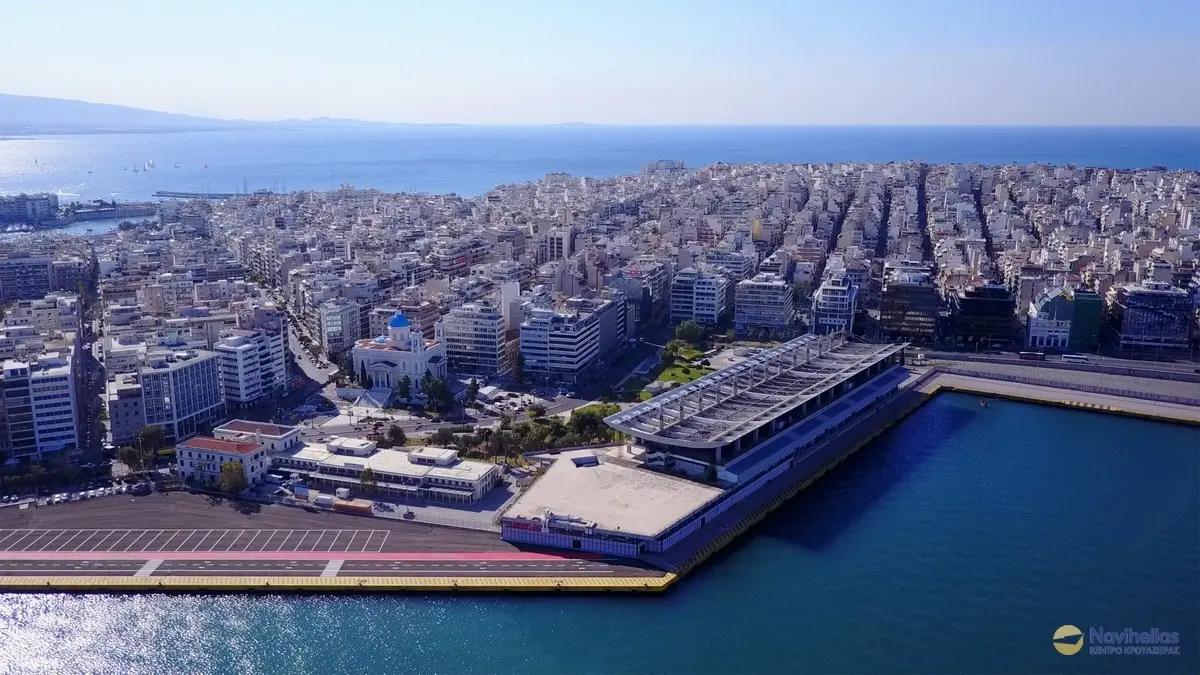
Piraeus, Greece
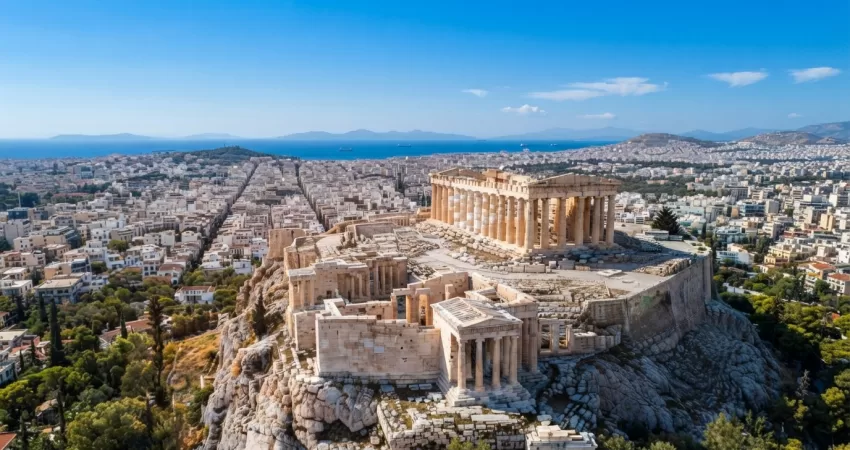
Your cruise begins in Piraeus, the historic port of Athens and one of the Mediterranean’s most important maritime gateways. Before embarkation, take the opportunity to explore the Greek capital and discover the Acropolis, the Parthenon, the Acropolis Museum and the lively districts of Plaka and Monastiraki.
Piraeus itself is known for its waterfront promenades, traditional tavernas, seafood restaurants and busy marina areas. It is an ideal starting point for a Mediterranean cruise filled with ancient landmarks, island landscapes and European coastal cities.
Kusadasi and Ancient Ephesus, Turkey
Kusadasi is a popular Turkish resort town on the Aegean coast and the gateway to the magnificent ancient city of Ephesus. One of the best-preserved classical cities in the Mediterranean, Ephesus is renowned for its marble streets, the impressive Library of Celsus, the Great Theatre and the remains of the Temple of Artemis.
In Kusadasi, visitors can enjoy a pleasant seafront, colourful bazaars, cafés and restaurants serving Turkish specialities. The surrounding coastline also offers opportunities for relaxation on sandy beaches and at inviting beach resorts.
At Sea
A day at sea provides time to relax and enjoy the facilities of Celestyal Discovery while sailing through the Mediterranean. Unwind by the pool, savour a meal or a drink, take part in onboard entertainment or simply admire the changing sea views from the deck.
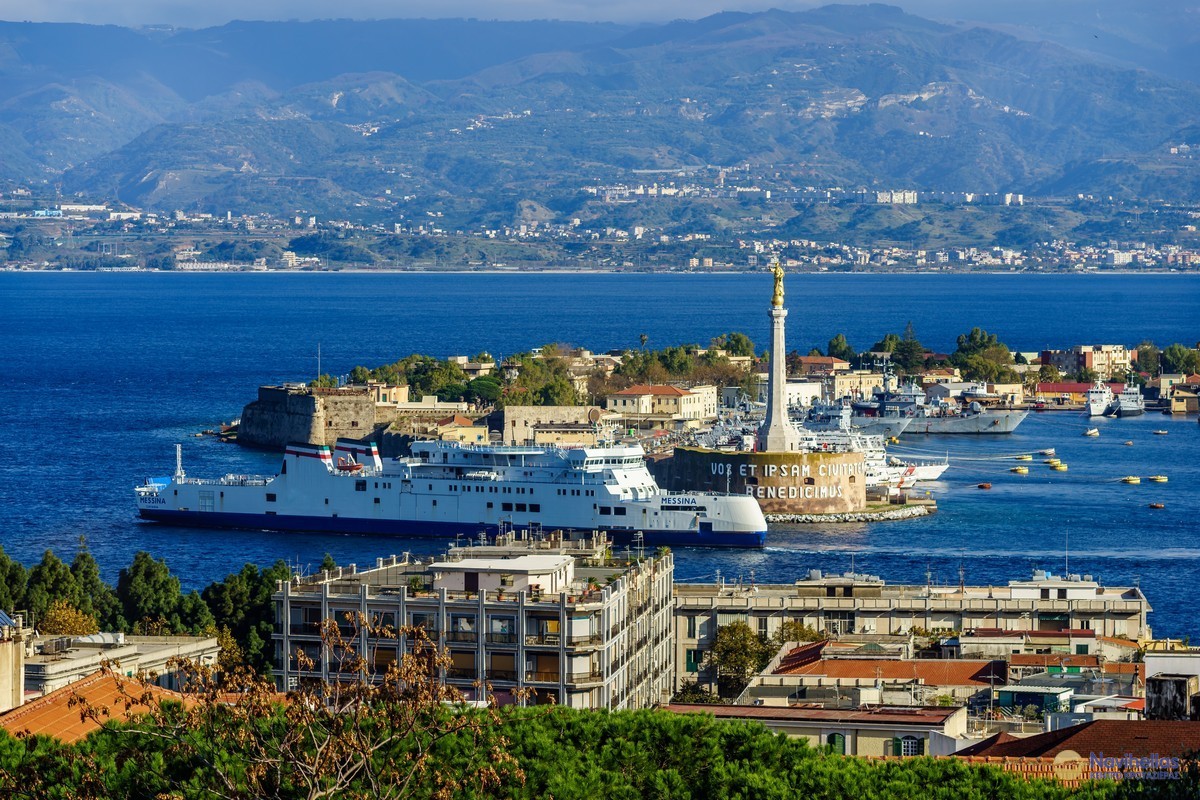
Messina, Sicily
Located in northeastern Sicily, Messina is set beside the Strait of Messina and offers spectacular views towards mainland Italy. The city’s highlights include the Cathedral of Messina, its famous astronomical clock and the elegant Piazza del Duomo.
Messina is also an excellent base for discovering eastern Sicily. Excursions may lead to the slopes of Mount Etna, the charming hilltop town of Taormina or picturesque coastal villages. Local cuisine reflects the island’s rich traditions, with fresh seafood, citrus flavours, arancini and Sicilian pastries among the specialities to try.
Naples, Italy
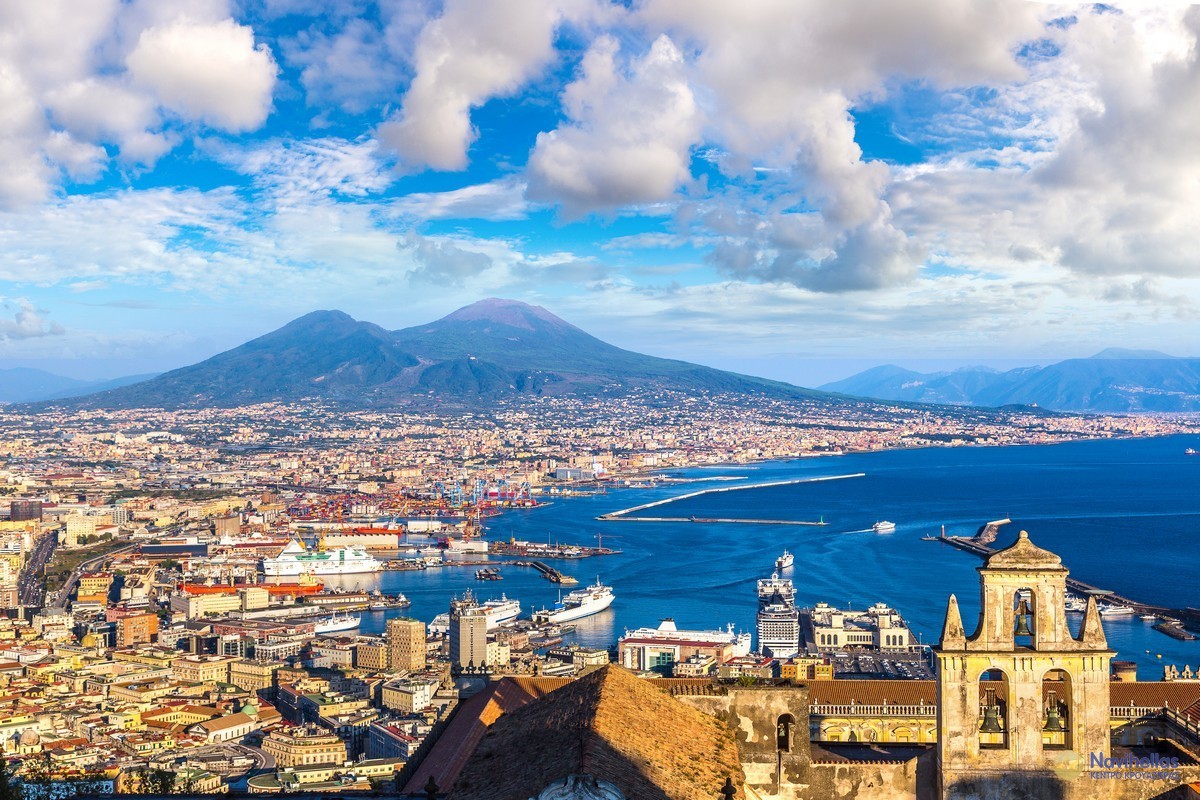
Naples is a vibrant Italian city with a fascinating historic centre, dramatic views over the Bay of Naples and a celebrated culinary heritage. Explore lively streets, grand churches, historic squares and the city’s museums, or enjoy an authentic Neapolitan pizza in its birthplace.
Naples is also the gateway to some of Italy’s most iconic attractions. Discover the remarkably preserved ruins of Pompeii, buried by the eruption of Mount Vesuvius, or travel to the beautiful island of Capri, known for its rugged coastline, elegant villages, sea caves and panoramic viewpoints. The nearby Amalfi Coast is another popular choice for its spectacular scenery and picturesque towns.
Civitavecchia and Rome, Italy
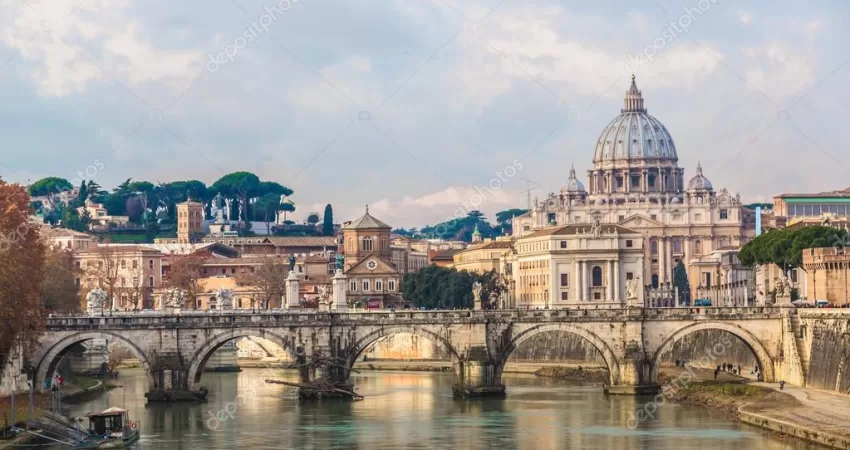
Civitavecchia is the main cruise port for Rome and provides access to one of Europe’s greatest cultural destinations. The Italian capital is filled with world-famous landmarks, including the Colosseum, Roman Forum, Trevi Fountain, Pantheon and Vatican City.
Whether you are interested in ancient history, Renaissance art, architecture or Italian cuisine, Rome offers an extraordinary range of experiences. Visitors can stroll through historic piazzas, admire masterpieces in the Vatican Museums or enjoy a coffee and gelato while discovering the city’s timeless atmosphere.
Nice, France
On the French Riviera, Nice welcomes visitors with its Mediterranean light, elegant boulevards and relaxed coastal lifestyle. Walk along the famous Promenade des Anglais, explore the colourful Old Town and climb Castle Hill for beautiful views across the Baie des Anges.
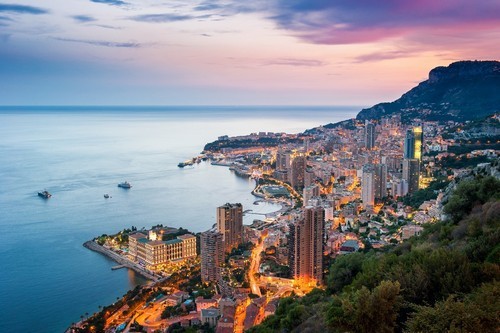
Nice is also an excellent starting point for exploring the Côte d’Azur. Nearby destinations include glamorous Cannes, the artistic village of Saint-Paul-de-Vence and the principality of Monaco. The region is known for pebble beaches, clear blue waters, lively markets and refined French cuisine.
Tarragona, Spain
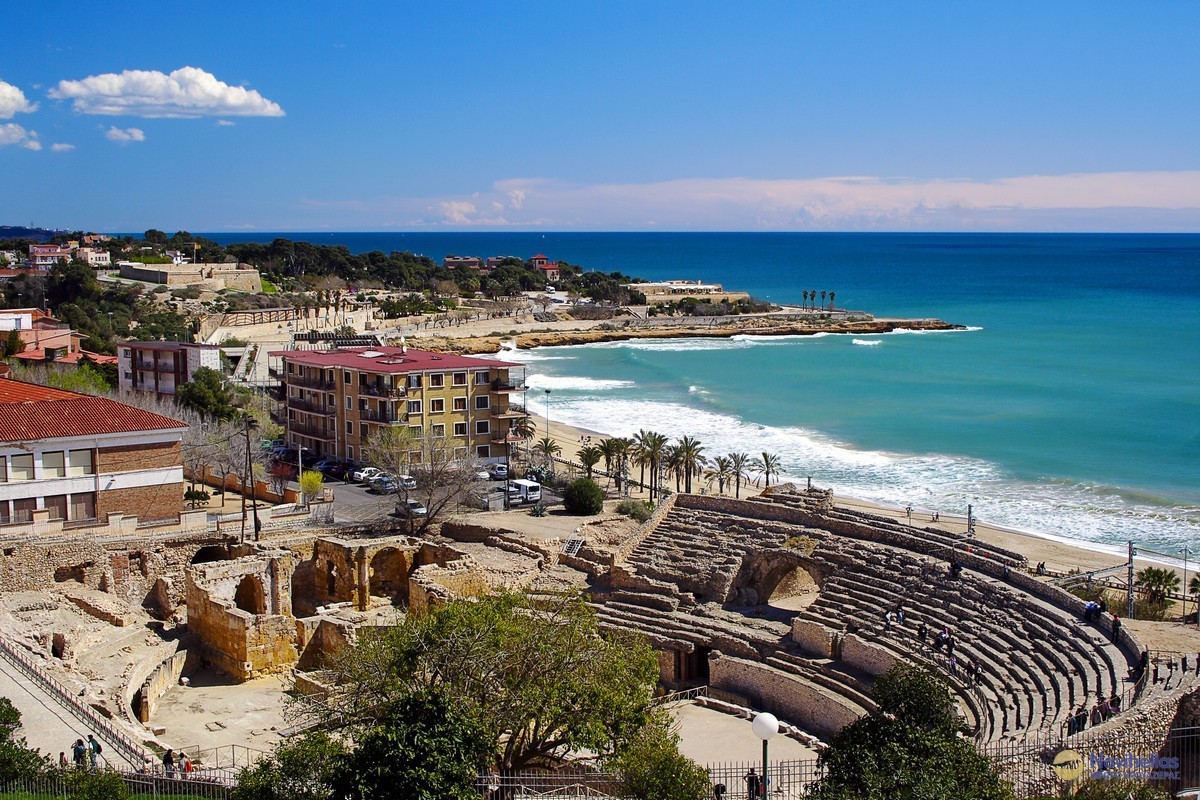
Your cruise ends in Tarragona, a historic Catalan city on Spain’s Mediterranean coast. Tarragona was once an important Roman settlement, and its impressive heritage includes a Roman amphitheatre overlooking the sea, ancient city walls, the Roman circus and the archaeological promenade.
The city combines history with a relaxed seaside atmosphere. Explore the charming old quarter, visit Tarragona Cathedral, enjoy Catalan dishes in local restaurants or unwind on nearby beaches such as Platja del Miracle and Platja de l’Arrabassada. Tarragona is also well placed for discovering the Costa Daurada and the cultural energy of Barcelona.
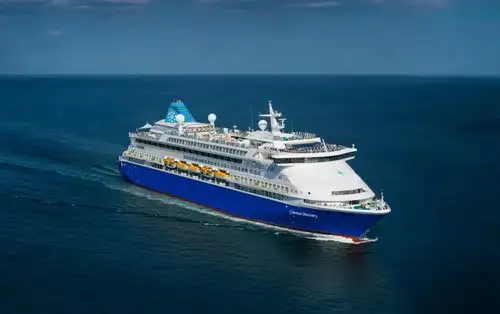
Celestyal Discovery
Celestyal Discovery is designed for exploring the Mediterranean in comfort, offering a welcoming cruise atmosphere and convenient access to a wide selection of destinations. On board, guests can enjoy dining venues, bars and lounges, entertainment, outdoor areas and time to relax between shore excursions.
With its combination of Greek hospitality, memorable port visits and a relaxed onboard experience, Celestyal Discovery is an excellent choice for discovering the Mediterranean from Piraeus to Tarragona.
Celestyal Discovery is a stylish mid-sized cruise ship from Celestyal Cruises, designed for travellers who want to combine comfortable facilities with a strong sense of destination. Refurbished in 2024, the ship blends contemporary surroundings with the warm, welcoming spirit of Greek hospitality.
With a gross tonnage of 42,289 tonnes, 12 decks, 633 cabins and capacity for up to 1,266 guests, Celestyal Discovery offers a more personal alternative to the largest resort-style cruise ships. Its manageable size is particularly well suited to Greek islands cruises and Eastern Mediterranean itineraries, where access to distinctive ports and authentic local experiences is an important part of the journey.
The atmosphere is relaxed, sociable and destination-focused. Couples can enjoy the ship’s lounges, dining venues and open decks, while families and first-time cruisers will appreciate the straightforward layout, varied activities and friendly service. Celestyal Discovery is a strong choice for travellers who want time to unwind on board without losing sight of the places they have come to explore.
The ship measures 203 metres in length and 28 metres in width, with approximately 400 officers and crew members. This creates a passenger-to-crew ratio of around 3.1 to 1, supporting attentive service throughout the cruise.
Cabins and suites
Celestyal Discovery cabins and suites are designed to provide a comfortable base between shore excursions, meals and time spent enjoying the ship. The accommodation range includes practical options for independent travellers, couples and guests looking for additional space.
When choosing between cabin categories, consider how much time you expect to spend in your room, whether natural light is important and how valuable a private balcony would be during scenic sailing. It is also worth checking the deck location when booking, particularly if you prefer to be close to the main dining, entertainment or pool areas.
On-board dining and drinks
Dining on Celestyal Discovery reflects the cruise line’s Mediterranean character, combining Greek-inspired flavours with familiar international cuisine. Guests can choose between relaxed buffet meals, served dining and more distinctive speciality experiences.
For the best dining experience, try a variety of venues rather than relying on one restaurant throughout the cruise. Greek and Mediterranean specialities are a natural highlight, while the choice of international dishes makes the ship easy to enjoy for a wide range of tastes.
Entertainment and activities
There is plenty to do on Celestyal Discovery during sea days and after returning from shore excursions. The ship combines live entertainment with open-air relaxation, social venues and spaces for enjoying the views as the vessel sails between Mediterranean destinations.
Celestyal Cruises places considerable emphasis on the destinations, so the experience is not limited to activities on board. Shore excursions can help guests discover iconic sights, local culture and less familiar corners of the Aegean and Eastern Mediterranean. The mid-sized design of Celestyal Discovery complements itineraries that focus on varied ports and authentic experiences.
Wellness and relaxation
Guests looking to slow down can make use of the ship’s dedicated wellness facilities and open-air decks. The Sozo wellness area provides a setting for relaxation, with treatments and massage services available alongside sauna facilities.
A fitness area is available for passengers who want to maintain their exercise routine while travelling. After a workout or a day ashore, the pool deck, whirlpools and sunbathing areas offer easy ways to unwind. For a quieter experience, the Rays open deck is well suited to enjoying the horizon, reading or simply taking a break from the daily schedule.
To make the most of the wellness facilities, consider booking popular treatments early and combining time at the spa with a slower afternoon on deck. A balcony cabin can also provide an especially peaceful space for private relaxation.
Families and kids
Celestyal Discovery can suit families who prefer a relaxed, destination-led cruise with pools, informal dining and a variety of shared activities. Its mid-sized layout makes it easier to move between venues, while the choice of buffet meals and casual food options can be convenient for families with different tastes and schedules.
Families should review the facilities and entertainment available for their children before sailing, as the ship’s main appeal is its combination of cultural discovery, sightseeing and relaxed time on board rather than a large resort-style programme of children’s attractions.
Tips for passengers

Athens is a city where ancient history, lively neighbourhoods and Mediterranean culture come together. As the birthplace of classical democracy and a major centre of ancient Greek civilisation, it offers cruise passengers the chance to see world-famous monuments, archaeological treasures and traditional streets during a single day in port.
Cruise ships dock at Piraeus, Greece’s principal passenger port and the historic maritime gateway to Athens. Piraeus has its own character, with busy waterfronts, fishing boats, tavernas and scenic harbours, while central Athens lies inland and is easily reached by public transport, taxi or organised shore excursion.
Whether you spend the day exploring the Acropolis, strolling through Plaka or enjoying seafood beside the water in Piraeus, Athens provides a memorable mix of ancient landmarks and modern Greek life.
Top attractions and sights
The Acropolis is Athens’ defining landmark and the essential sight for many cruise visitors. The hill is crowned by the Parthenon, while the Erechtheion, the Temple of Athena Nike and the Propylaea reveal the architectural ambition of classical Athens. From the summit, there are sweeping views across the city and towards the Saronic Gulf.
The Acropolis Museum is one of the city’s most important cultural attractions. Its galleries display sculptures and artefacts from the Acropolis, including the famous Caryatids, in a modern building with impressive views of the Parthenon.
Below the Acropolis, the historic neighbourhood of Plaka is ideal for a relaxed walk through narrow streets, neoclassical buildings, small shops and traditional cafés. Nearby Anafiotika has a distinctive island-style atmosphere, with whitewashed houses and quiet lanes beneath the Acropolis.
The Ancient Agora of Athens was once the political, commercial and social heart of the city. Its highlights include the remarkably preserved Temple of Hephaestus and the reconstructed Stoa of Attalos. The Roman Agora and the Arch of Hadrian are also within easy reach of the Acropolis area.
For a broader collection of Greek antiquities, visit the National Archaeological Museum, which houses masterpieces from the Mycenaean, Classical, Hellenistic and Roman periods. If you prefer to remain in Piraeus, the Piraeus Archaeological Museum presents important finds connected with the city’s ancient past and maritime history.
Back at the port, the waterfront areas of Mikrolimano and Pasalimani are popular for their harbourside restaurants and views of the sea. The hilltop district of Kastella offers attractive streets and elevated views over Piraeus and the Saronic Gulf.
Beaches
Piraeus has several seaside spots that can suit passengers who would rather enjoy the coast than travel into central Athens. Votsalakia Beach, near Kastella and the Mikrolimano area, is one of the better-known urban beaches close to the port. Freatida Beach, near the entrance to the Piraeus peninsula, is another local option with views across the water.
For a more extensive selection of organised beaches and seaside promenades, travellers can continue along the Athens Riviera towards Glyfada, Voula and other coastal suburbs. These areas require additional travel time, so they are best suited to passengers with a full day and a clear plan for returning to the ship.
Local products and shopping
Athens is a good place to shop for Greek food products, including extra virgin olive oil, honey, herbs, mountain tea, olives and regional cheeses. Packaged products are convenient souvenirs for cruise passengers, especially when luggage space and travel regulations are taken into account.
Traditional Greek crafts and gifts include handmade ceramics, leather sandals, woven textiles, olive-wood kitchenware and jewellery inspired by ancient Greek designs. Reproductions of classical sculptures, pottery and archaeological motifs are widely available around Plaka and the Monastiraki area.
Monastiraki is one of the city’s best-known shopping districts, combining souvenir shops, antique stalls, vintage goods and lively street scenes. Ermou Street offers mainstream shopping, while the Central Market area provides a more local atmosphere and a chance to browse Greek ingredients and delicatessen products.
Food and local cuisine
Athens is an excellent destination for trying classic Greek dishes. Look for moussaka, grilled souvlaki, gyros, spanakopita, stuffed vine leaves and Greek salad made with tomatoes, cucumber, olives and feta. Small meze restaurants are a good choice for sampling several dishes in one meal.
Seafood is particularly appealing around Piraeus, Mikrolimano and Pasalimani, where tavernas serve grilled fish, calamari, prawns and other dishes from the Aegean and Saronic Gulf. Local menus may also include octopus, fried small fish and seasonal vegetable dishes.
For a quick snack or dessert, try koulouri, a sesame-coated bread ring, or loukoumades, warm Greek doughnuts traditionally served with honey, syrup or cinnamon. Greek coffee and chilled frappé are popular drinks, while ouzo is commonly enjoyed with meze. Greek wine and regional spirits such as tsipouro are also worth discovering.
Tips for cruise passengers
From the cruise terminals in Piraeus, you can reach central Athens by metro, taxi, organised excursion or other local transport. The metro connects Piraeus with the city centre, although the best option depends on your terminal, mobility needs and the time available. Check the return route carefully before leaving the port.
Passengers visiting Athens for the first time should generally prioritise the Acropolis, the Acropolis Museum and the surrounding historic centre. Plaka, the Ancient Agora and Monastiraki can be combined with these sights, but it is wise to avoid an overambitious itinerary because queues, summer heat and city traffic may slow your day.
If you have already seen the Acropolis, consider spending your time in Piraeus at the Archaeological Museum, Kastella, Mikrolimano or Pasalimani. A waterfront lunch and a walk around the harbours offer a more relaxed way to experience the port city without travelling into central Athens.
Wear comfortable shoes, carry water and protect yourself from the sun, particularly when visiting exposed archaeological sites. Reserve popular attractions in advance when possible, allow plenty of time to return to the ship, and follow the cruise line’s recommended all-aboard time rather than relying on the last available public transport connection.

Kusadasi is a lively Aegean port city known for its turquoise coast, sunny promenades and easy access to some of Turkey’s most remarkable ancient sites. Its name means “Bird Island,” a reference to the small island beside the harbour, while the wider region combines seaside resorts, fertile countryside and a rich history shaped by Greek, Roman, Byzantine and Ottoman civilizations.
The cruise port is close to the centre of Kusadasi, making it convenient to explore the waterfront, shops and historic streets during a day in port. Kusadasi is also the principal gateway to ancient Ephesus, one of the best-preserved classical cities in the eastern Mediterranean and a highlight of many shore excursions.
Whether you spend your day exploring archaeological treasures, relaxing on a sandy beach or sampling Aegean cuisine, Kusadasi offers a varied introduction to western Turkey.
Top attractions and sights
Ancient Ephesus is the region’s essential attraction. The archaeological site includes the spectacular Library of Celsus, the Great Theatre, Curetes Street, the Temple of Hadrian and the Terrace Houses, which reveal how wealthy Roman families lived. Allow plenty of time for walking, as the site is extensive and exposed to the sun.
The House of the Virgin Mary, set in the hills above Ephesus, is an important pilgrimage site traditionally associated with the final years of Mary’s life. Nearby Selcuk is home to the Basilica of Saint John, built over the reputed tomb of the apostle, and the impressive remains of the Temple of Artemis, one of the Seven Wonders of the Ancient World.
Within Kusadasi, Pigeon Island is crowned by a historic castle and connected to the mainland by a causeway. The waterfront promenade is ideal for a relaxed stroll, while the town centre and Grand Bazaar offer a lively atmosphere filled with jewellery shops, leather stores, carpet dealers and cafés.
Beaches
Ladies Beach is the best-known beach close to Kusadasi and has a broad sandy shoreline, clear water, cafés and waterside restaurants. It is a popular choice for cruise passengers looking for a convenient swim and a relaxed seaside setting.
Long Beach stretches along the southern coast and offers a longer shoreline with beach clubs, hotels and restaurants. It is farther from the cruise port than Ladies Beach, so allow time for transport and your return journey. Pigeon Island also has small swimming areas, although it is better suited to combining a short dip with sightseeing and views across the harbour.
Local products and shopping
Kusadasi is a good place to shop for Turkish carpets and kilims, including traditionally patterned pieces made in western Anatolia. Reputable stores can explain the origin, materials and weaving techniques, while smaller decorative textiles make practical souvenirs.
Other popular purchases include Turkish leather goods, hand-painted ceramics, copperware, jewellery and evil-eye charms known as nazar boncuğu. Regional food products are also worth seeking out, especially dried figs, olives, olive oil, herbs, spices, Turkish delight and local honey.
The Grand Bazaar near the port is convenient for browsing, although bargaining is common in many independent shops. Compare quality and prices before buying, particularly for carpets, jewellery and leather.
Food and local cuisine
Kusadasi’s cuisine reflects the Aegean coast, with an emphasis on olive oil, fresh vegetables, herbs and seafood. Look for meze such as stuffed vine leaves, grilled aubergine, bean salads and yoghurt-based appetisers, followed by grilled sea bream, sea bass or prawns when available.
Gözleme, a thin flatbread filled with ingredients such as cheese, spinach or potato, makes a satisfying informal meal. Other Turkish favourites commonly found in Kusadasi include döner, köfte and pide, a boat-shaped baked flatbread topped with meat or cheese.
For a sweet finish, try baklava, lokum or sütlaç, a traditional rice pudding. Turkish tea and strong Turkish coffee are served throughout the town, while ayran, a lightly salted yoghurt drink, is refreshing on a warm day.
Tips for cruise passengers
The Kusadasi cruise terminal is close to the town centre, so passengers can usually reach the waterfront shops and harbour area on foot after leaving the ship. Taxis and organised shore excursions are widely used for Ephesus, the House of the Virgin Mary and Selcuk, which are inland and require more time than a visit to central Kusadasi.
For a first visit, consider choosing either an archaeological excursion to Ephesus or a town-and-beach day rather than trying to cover every attraction. Ephesus involves considerable walking over uneven surfaces, and summer conditions can be hot, so wear comfortable shoes, carry water and bring sun protection.
Leave generous time to return to the ship, especially when travelling independently to Ephesus or Long Beach. Confirm the meeting point and return arrangements with your driver or tour operator, and keep some time for the bazaar and waterfront before heading back to the port.

Messina is a lively Sicilian port city set between the Ionian Sea and the Strait of Messina. Known for its elegant waterfront, colourful history and dramatic views of Calabria, it is the main gateway to northeastern Sicily and a popular starting point for excursions to Taormina and Mount Etna.
The city has been shaped by Greek, Roman, Byzantine, Arab, Norman and Spanish influences, although much of Messina was rebuilt after the devastating earthquake of 1908. Cruise ships dock close to the historic centre, making it possible to explore Messina on foot or combine a short city visit with a shore excursion to Taormina.
Taormina, perched high above the coast, offers one of Sicily’s most memorable day trips. Its ancient Greek Theatre, flower-filled lanes and spectacular views towards Mount Etna and the sea make it a favourite destination for cruise passengers visiting Messina.
Top attractions and sights
Beaches
Messina’s waterfront is not primarily a beach destination, but several attractive coastal areas can be reached by local transport or as part of an organised excursion. Capo Peloro, at the northeastern tip of Sicily, is known for its beaches and its position between the Strait of Messina and the Tyrrhenian Sea.
Near Taormina, Isola Bella is the most famous coastal spot. This small nature reserve is linked to the shore by a narrow strip of beach and is admired for its clear water and dramatic setting. The nearby seaside resort of Giardini Naxos also has a long beach, waterfront restaurants and views towards Taormina. Access to some beaches involves steps or uneven paths, so comfortable footwear is useful.
Local products and shopping
Messina and eastern Sicily are excellent places to shop for regional food products and traditional crafts. Look for Sicilian citrus preserves, pistachio specialities, almonds, locally produced olive oil and bottles of Sicilian wine. The area around Mount Etna is particularly associated with wines made from grapes grown on volcanic slopes.
Traditional Sicilian ceramics, decorated tiles and hand-painted pottery make distinctive souvenirs. Shops in Taormina also sell locally made jewellery, leather goods, embroidered textiles and colourful Sicilian decorative items. For an edible gift, almond sweets, pistachio products and citrus-flavoured treats are easy to carry home. Browse carefully for products labelled as made in Sicily rather than generic souvenirs.
Food and local cuisine
Messina’s cuisine combines seafood, citrus, vegetables and hearty Sicilian street food. Try a pidone messinese, a folded pastry filled with ingredients such as endive, cheese and anchovies, or sample Sicilian arancini, fried rice balls commonly filled with ragù, cheese or other savoury combinations.
Fresh swordfish is a local favourite and may appear grilled, baked or served in pasta dishes. Other Sicilian classics worth trying include pasta alla Norma, made with aubergine, tomato, basil and ricotta salata, and caponata, a sweet-and-sour aubergine dish.
For something sweet, order a granita with a soft brioche, especially in almond, lemon or coffee flavours. Cannoli, cassata and pignolata messinese, a traditional pastry covered with honey or chocolate and lemon icing, are also popular choices. Sicilian wines and citrus-based drinks pair well with many local dishes.
Tips for cruise passengers

Naples is a vibrant port city on the Bay of Naples, known for its dramatic history, lively streets and spectacular views of Mount Vesuvius. As the capital of Campania, Naples combines Greek and Roman heritage with grand Bourbon-era architecture, colourful neighbourhoods and one of Italy’s most distinctive food cultures.
The city was founded by the Greeks and later became an important Roman centre. Its historic centre is a UNESCO World Heritage Site, filled with ancient churches, underground ruins and narrow lanes known as spaccanapoli. Naples is also the gateway to some of southern Italy’s most famous sights, including Pompeii, Herculaneum, Mount Vesuvius, Capri and the Amalfi Coast.
Cruise ships usually call at the port near the Stazione Marittima and Molo Beverello, close to the city centre. From the waterfront, many of Naples’ principal attractions are accessible on foot, while ferries and hydrofoils provide connections to Capri and other destinations in the Bay of Naples.
Top attractions and sights in Naples
Naples Historic Centre
Explore the atmospheric streets around Spaccanapoli, Via dei Tribunali and San Gregorio Armeno. Highlights include the Cathedral of Naples, the Church of Santa Chiara and the richly decorated Gesù Nuovo Church. San Gregorio Armeno is famous for its traditional nativity figurines and artisan workshops.
Naples Cathedral and the Treasure of San Gennaro
The Cathedral of Naples, or Duomo di Napoli, is dedicated to the city’s patron saint, San Gennaro. Its chapels and museum contain important religious art and historic treasures associated with the saint.
National Archaeological Museum
The National Archaeological Museum of Naples houses one of the world’s finest collections of Roman antiquities. Its highlights include mosaics, frescoes and sculptures from Pompeii and Herculaneum, as well as the Farnese Collection.
Royal Palace and Piazza del Plebiscito
Near the waterfront, the Royal Palace of Naples overlooks the grand Piazza del Plebiscito. The square is bordered by the Basilica of San Francesco di Paola and is close to the Teatro di San Carlo, one of Europe’s historic opera houses, and the Galleria Umberto I.
Castel Nuovo and Castel dell’Ovo
Castel Nuovo, also known as Maschio Angioino, is a striking medieval fortress beside the port. Along the seafront, Castel dell’Ovo stands on the former island of Megaride and offers memorable views across the bay. The surrounding Santa Lucia area is ideal for a leisurely waterfront stroll.
Pompeii and Mount Vesuvius
Pompeii is one of the most popular shore excursions from Naples. The ancient city was buried by the eruption of Mount Vesuvius in AD 79, preserving streets, villas, temples and wall paintings. Travellers with more time may combine Pompeii with a visit to Mount Vesuvius, although an organised excursion or carefully planned private transfer is advisable during a single port day.
Capri
Capri is another classic day trip from Naples. The island is known for its dramatic cliffs, elegant streets, gardens and panoramic viewpoints. Capri town and Anacapri are connected by local transport, while the famous Blue Grotto can be visited when sea and weather conditions allow. Check ferry schedules carefully and allow plenty of time to return to the ship.
Beaches near Naples
Naples is not primarily a beach destination, but there are several seaside options within the wider city. Lido Mappatella, near the Lungomare, is a small urban beach with views towards Mount Vesuvius. The Posillipo district has waterfront bathing areas and beach clubs, including places around Marechiaro and Gaiola, although access and seasonal arrangements can vary.
For a more traditional seaside experience, consider a trip to the islands or nearby coastal towns rather than trying to combine a beach visit with a distant inland excursion. Capri, Ischia and Procida all offer attractive coastal scenery, but ferry times should be checked before leaving the port.
Local products and shopping
Naples is well known for handmade crafts and food products. In the historic centre, Via San Gregorio Armeno is the best-known place to look for handcrafted nativity figures, miniature scenes and traditional Neapolitan characters.
For a modern shopping experience, visit the elegant streets around Via Toledo, Via Chiaia and Galleria Umberto I. The historic centre is better for artisan goods, food shops and small independent stores.
Food and local cuisine
Naples is the birthplace of pizza as the world knows it. Try a classic pizza margherita with tomato, mozzarella and basil, or a pizza marinara topped with tomato, garlic, oregano and olive oil. Neapolitan pizza is traditionally soft and airy at the edges, so it is best eaten freshly prepared.
Campania is also renowned for buffalo mozzarella from the surrounding region, San Marzano tomatoes and wines such as Lacryma Christi del Vesuvio. For coffee, order a traditional Neapolitan espresso, often served strong and intensely aromatic.
Tips for cruise passengers
The cruise port is close to central Naples, making it possible to explore the city independently. Molo Beverello, the waterfront and the areas around Piazza del Plebiscito are generally convenient starting points. Walking is often the simplest way to reach nearby sights, although Naples has busy traffic, uneven pavements and crowded streets.
Naples rewards visitors who embrace its energetic atmosphere. A well-planned cruise day can include ancient history, waterfront views, remarkable art and an unforgettable Neapolitan meal before returning to the ship.

Rome is one of Europe’s most captivating cruise destinations, combining ancient ruins, Renaissance art, Baroque architecture and lively Italian street life. Although cruise ships dock at the Port of Civitavecchia, Rome is the main destination for most visitors, reached by road or rail from the port.
Founded according to tradition in 753 BC, Rome grew into the centre of the Roman Empire and later became the heart of the Catholic world. A day ashore can reveal remarkable layers of history, from the Colosseum and Roman Forum to grand piazzas, fountains and neighbourhood trattorias.
Civitavecchia itself is a historic Tyrrhenian port with an attractive seafront, remnants of Roman and Renaissance fortifications, and a more relaxed atmosphere than the capital. Passengers who prefer not to travel into Rome can explore the port town, visit its archaeological sites or enjoy the coast.
Top attractions and sights
Beaches
Civitavecchia has several coastal areas suitable for passengers who want a quieter day by the sea rather than a trip to Rome. The town’s waterfront includes small beaches and bathing areas, while La Marina is a popular seaside area for swimming and relaxing when conditions are suitable.
For a more traditional beach outing, the coast around Sant’Agostino, north of Civitavecchia, is known for its sandy shoreline and beach establishments. Transport should be arranged carefully because a beach visit must leave sufficient time to return to the ship.
Local products and shopping
Rome is a good place to shop for Italian food specialities, including Pecorino Romano cheese, extra-virgin olive oil, balsamic vinegar, dried pasta and regional wines. Packaged products are practical souvenirs for cruise passengers, provided they comply with customs and shipboard rules.
Popular gifts include leather goods, handmade jewellery, ceramics, artisanal soaps and Italian stationery. In Rome, Via del Corso and the streets around the Spanish Steps offer a mixture of major brands and independent boutiques, while local markets can provide a more informal shopping experience. Civitavecchia’s central streets and market areas are convenient for last-minute souvenirs close to the port.
Food and local cuisine
Roman cuisine is famous for simple ingredients and bold flavours. Try spaghetti alla carbonara, made with egg, Pecorino Romano and guanciale; cacio e pepe, pasta with cheese and black pepper; or amatriciana, prepared with tomato, guanciale and Pecorino.
Other local favourites include saltimbocca alla romana, veal with prosciutto and sage, and carciofi alla romana, Roman-style artichokes braised with herbs. For a quick snack, look for supplì, fried rice croquettes with a melted mozzarella centre, or a slice of Roman-style pizza.
Finish with maritozzo, a sweet bun filled with whipped cream, or enjoy Italian gelato from a reputable gelateria. Espresso, cappuccino and Lazio wines such as Frascati are also part of the local food experience.
Tips for cruise passengers

Nice is the elegant capital of the French Riviera, celebrated for its Mediterranean light, palm-lined seafront and blend of French and Italian influences. Its famous Promenade des Anglais follows the curving Baie des Anges, while the ochre façades and lively markets of the old town reveal the city’s historic character.
Founded by the Greeks and later shaped by the Romans, the House of Savoy and generations of winter visitors, Nice has long attracted artists, aristocrats and travellers. Today, a cruise day in Nice combines coastal scenery, art, historic architecture and relaxed café culture.
The city’s Port Lympia lies close to the eastern edge of central Nice and is surrounded by colourful buildings and restaurants. Depending on the size of the ship and the itinerary, cruise passengers may instead call at nearby Villefranche-sur-Mer, where ships can anchor and passengers travel ashore by tender before continuing to Nice by road or rail.
Top attractions and sights
Beaches
Nice’s urban beaches are made up of smooth pebbles rather than sand, so comfortable footwear is useful. The beaches beside the Promenade des Anglais provide easy access to the sea and attractive views of the bay, while both public and private beach areas offer places to swim, relax and enjoy the Riviera atmosphere.
For a more picturesque coastal setting, Villefranche-sur-Mer has a sheltered bay and a sandy beach, although travel time and transport arrangements should be considered carefully during a single day in port.
Local products and shopping
Nice is a good destination for Provençal flavours, Mediterranean ingredients and Riviera-style gifts. The Cours Saleya market is a popular place to browse, although some stalls focus on fresh produce and are best suited to immediate consumption.
Food and local cuisine
Nice cuisine reflects both Provence and nearby Liguria, with olive oil, vegetables, herbs and seafood appearing throughout the local menu. Traditional dishes are widely available in restaurants and small eateries around Vieux Nice and Cours Saleya.
Tips for cruise passengers

Tarragona is a lively Mediterranean city where Roman history, Catalan culture and seaside scenery come together. Once the Roman capital of Hispania Tarraconensis, ancient Tarraco left behind an impressive collection of monuments, including an amphitheatre, circus and parts of the city walls.
The Port of Tarragona welcomes cruise passengers close to the Costa Daurada and the city’s historic centre. From the waterfront, visitors can explore Roman ruins, wander through atmospheric old streets, enjoy views across the Mediterranean and sample regional specialities such as seafood, romesco sauce and Catalan vermouth.
Tarragona’s archaeological ensemble is a UNESCO World Heritage Site, making the city an excellent cruise destination for travellers who want to combine culture, local food and a relaxed seaside atmosphere in a single day.
Top attractions and sights
The Roman Amphitheatre of Tarragona is one of the city’s most memorable landmarks. Built beside the Mediterranean, it once hosted gladiatorial contests and public spectacles, and its setting offers a striking view of the sea.
Nearby, the Roman Circus reveals the scale of ancient Tarraco. The surviving vaulted passages and stone structures once formed part of a venue for chariot races. An underground route connects the circus area with the Praetorian Tower, which provides elevated views over Tarragona.
Tarragona Cathedral stands at the heart of the atmospheric Part Alta, the city’s upper old town. This impressive building combines Romanesque and Gothic elements, while the surrounding lanes are filled with historic houses, small squares and traditional restaurants.
The city walls and the Archaeological Promenade offer another glimpse of Roman Tarragona. For a panoramic Mediterranean view, head to the Balcó del Mediterrani at the end of Rambla Nova. The nearby Serrallo fishing district is known for its harbour atmosphere and seafood restaurants.
Beaches
Platja del Miracle is the most convenient beach for many cruise visitors, lying beside the port and below the historic centre. It is a practical choice for a short swim or a walk along the seafront.
For a more natural setting, Platja de l’Arrabassada and Platja de la Savinosa are popular sandy beaches along the Tarragona coast. Platja Llarga, set farther from the centre beside a greener coastal area, is another appealing option for passengers with more time and suitable transport.
Local products and shopping
Rambla Nova and the streets around the old town are the main areas for shopping in Tarragona. Look for Catalan food specialities, regional wines, olive oil, local sweets and bottles of vermouth, a drink strongly associated with Tarragona and nearby Reus.
Hazelnuts from the Camp de Tarragona area, especially those associated with the Reus region, make a useful edible souvenir. Other good choices include traditional Catalan ceramics, handmade crafts and locally produced gourmet items.
Wine lovers can explore bottles from the Tarragona, Priorat, Montsant and Conca de Barberà areas, all found within the broader region. When buying food or drink, specialist shops and local markets are often the best places to ask about producers and regional origins.
Food and local cuisine
Romesco is one of Tarragona’s signature flavours. This rich sauce, made with ingredients such as roasted peppers, nuts, garlic and olive oil, is served with fish, seafood and grilled vegetables. The city is also known for its romesco-style seafood dishes.
Fresh fish and shellfish are central to the cuisine of El Serrallo, Tarragona’s traditional fishing quarter. Look for dishes featuring local catch, rice, grilled seafood and suquet de peix, a Catalan fish stew.
During the winter calçotada season, try calçots, tender green onions traditionally grilled over flames and served with romesco sauce. Regional desserts and pastries, together with crema catalana, are excellent ways to finish a meal. A glass of Catalan vermouth is a classic aperitif before lunch.
Tips for cruise passengers
The cruise port is separated from Tarragona’s main sights by the waterfront and the climb towards the historic centre. Cruise lines may provide a shuttle service, while taxis offer a convenient alternative. Passengers who enjoy walking can follow the waterfront towards the city, although the route to the old town includes an uphill section.
For a first visit, combine the Roman Amphitheatre, Roman Circus, Praetorian Tower and Cathedral with a stroll through Part Alta. Continue along Rambla Nova to the Balcó del Mediterrani, then return towards the port through the waterfront or the Serrallo district.
Allow time for transport back to the ship, particularly if visiting beaches or nearby attractions. Tarragona is easy to explore independently, but a guided Roman history tour can be worthwhile for travellers who want more context about ancient Tarraco. Comfortable shoes are recommended because the old town includes cobbled streets, archaeological paths and uneven surfaces.