Aegean Images with Patmos - 3 Days (CC1)
3-day cruise on the Celestyal Discovery to Greece - Turkey
Aegean Images with Patmos – 4 Days (CC2)
Discover the highlights of the Aegean Sea on a memorable 4-day cruise from Lavrio aboard the Celestyal Discovery. This captivating round-trip cruise from Greece combines the whitewashed charm of Mykonos, the ancient wonders of Ephesus, the spiritual atmosphere of Patmos, the historic treasures of Rhodes, the landscapes of Crete and the unforgettable beauty of Santorini.
Departing from and returning to Lavrio, Greece, this Aegean cruise offers an enriching blend of Greek islands, archaeological sites, beautiful beaches, traditional villages and vibrant Mediterranean culture.
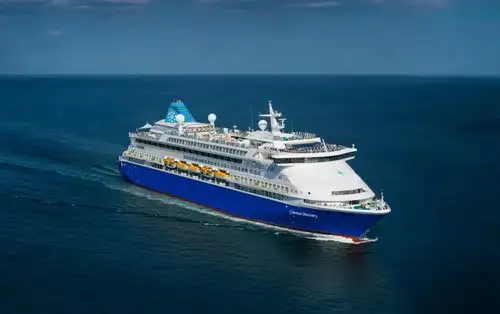
Celestyal Discovery
The Celestyal Discovery is designed for an enjoyable and relaxed Greek island cruise experience. Its welcoming atmosphere, comfortable accommodation and convenient onboard facilities make it an ideal base for exploring the Aegean. Guests can enjoy a selection of restaurants and bars, entertainment areas, leisure spaces and outdoor areas where they can admire the sea views between destinations.
With a friendly onboard environment and a cruise itinerary focused on the treasures of Greece and the Eastern Mediterranean, Celestyal Discovery combines discovery, comfort and authentic local experiences.
Lavrio, Greece
Lavrio is the departure and disembarkation port for this scenic Aegean cruise. Located southeast of Athens, the historic port town is known for its ancient mining heritage, lively waterfront and connection to some of Greece’s most famous archaeological and island destinations.
Before or after your cruise, you can explore the town’s traditional atmosphere, visit the Lavrion Archaeological Museum or travel to nearby Cape Sounion, home to the impressive Temple of Poseidon overlooking the Aegean Sea.
Mykonos, Greece
Mykonos is one of the most iconic Greek islands, celebrated for its whitewashed houses, blue-domed churches and lively cosmopolitan character. Wander through the narrow lanes of Mykonos Town, discover the famous windmills and enjoy the picturesque waterfront of Little Venice.
The island also offers beautiful beaches, including Agios Ioannis, Ornos and Psarou, as well as traditional tavernas, stylish cafés and excellent opportunities for shopping and photography. Mykonos is the perfect combination of Cycladic charm, island scenery and vibrant Mediterranean life.
Kusadasi and Ancient Ephesus, Turkey
The Turkish port of Kusadasi provides access to one of the Eastern Mediterranean’s most important archaeological attractions: Ancient Ephesus. This remarkable UNESCO-listed site was once a major city of the Roman world and is renowned for its well-preserved marble streets, monumental columns and impressive public buildings.
Highlights include the Library of Celsus, the Great Theatre, the Temple of Hadrian and the ancient Curetes Street. In Kusadasi itself, visitors can enjoy the lively marina, local markets, Turkish cafés and nearby beaches. The destination is ideal for combining cultural exploration with a taste of the Turkish Aegean.
Patmos, Greece
Patmos is known as the “Island of the Apocalypse” and is one of the most atmospheric destinations in the Dodecanese. Its spiritual heritage is closely connected with the Monastery of Saint John the Theologian and the Cave of the Apocalypse, important landmarks for visitors interested in history, religion and culture.
The island’s capital, Chora, features traditional white houses, stone alleys and panoramic views over the sea. Patmos also offers peaceful coves and attractive beaches such as Psili Ammos, Grikos and Lambi, making it an appealing destination for both sightseeing and relaxation.
Rhodes, Greece
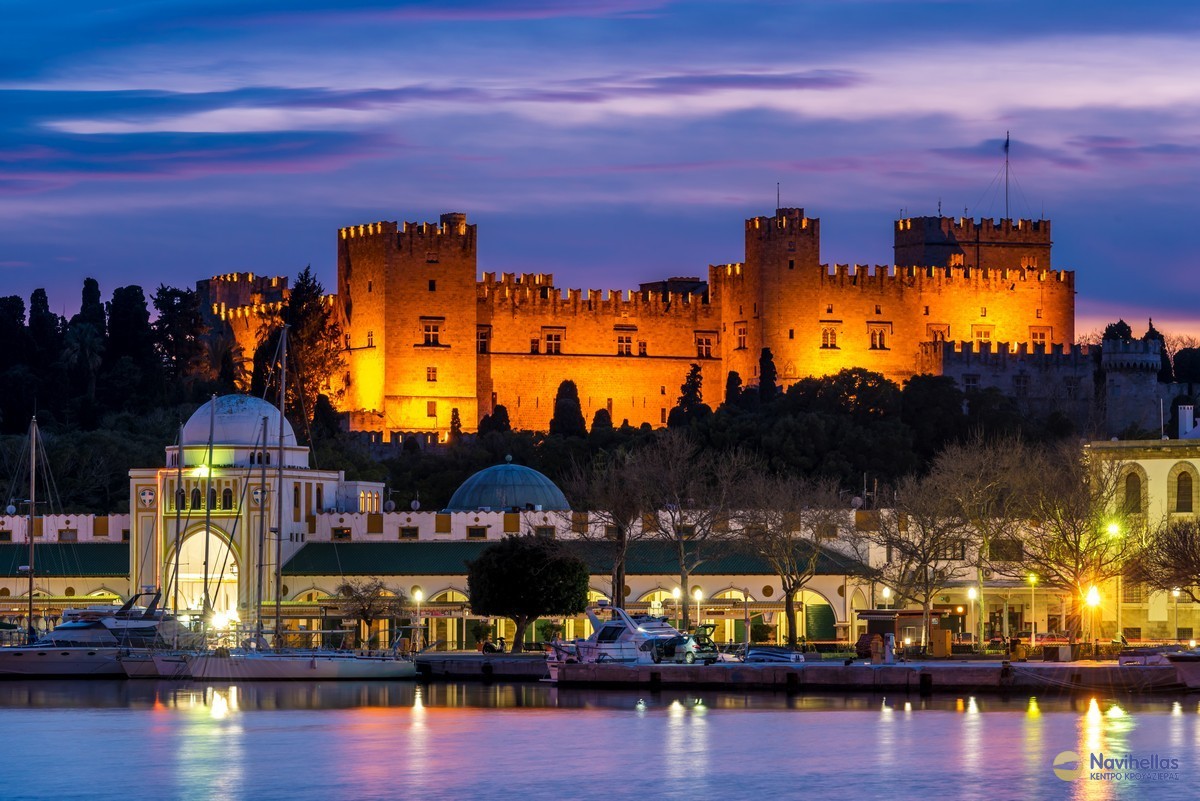
Rhodes combines a rich medieval heritage with beautiful coastal scenery. The UNESCO-listed Old Town of Rhodes is one of the best-preserved medieval towns in Europe, with impressive walls, cobbled streets, historic inns and the Palace of the Grand Master.
Beyond the Old Town, visitors can explore the ancient Acropolis of Rhodes at Lindos, admire the picturesque white village and enjoy views of the Aegean from the hilltop. Rhodes is also known for its inviting beaches, including Elli Beach, Tsambika Beach and the shores around Lindos.
Heraklion, Crete
Heraklion, the capital of Crete, is a destination rich in history, culture and Mediterranean character. The city is an excellent gateway to the legendary Palace of Knossos, one of the most important archaeological sites in Greece and the centre of the ancient Minoan civilisation.
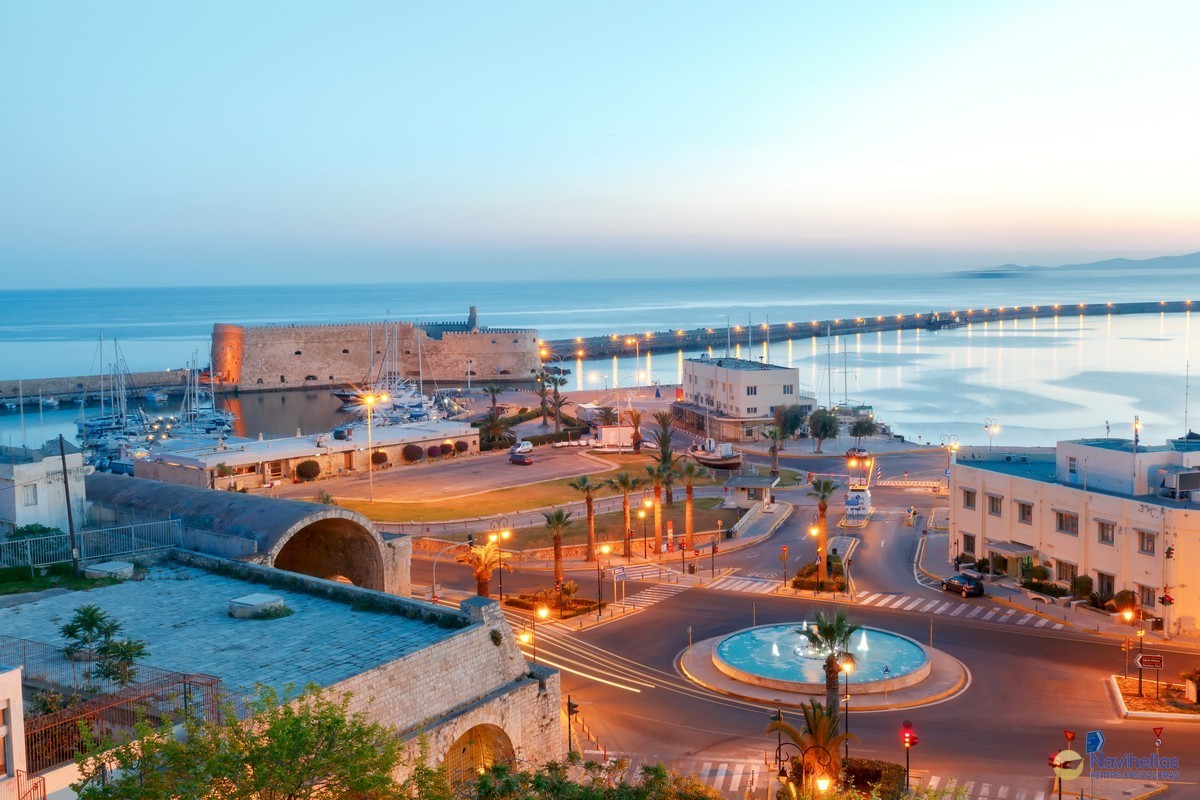
In Heraklion, explore the Archaeological Museum, stroll along the Venetian harbour and visit the historic Koules Fortress. The region also offers traditional villages, dramatic landscapes, local cuisine and beautiful beaches, making Crete a rewarding stop for history lovers and travellers seeking authentic island experiences.
Santorini, Greece
Santorini is one of the world’s most recognisable island destinations, famous for its volcanic landscape, whitewashed villages and spectacular caldera views. The villages of Fira and Oia offer winding lanes, blue-domed churches, elegant restaurants and unforgettable viewpoints over the Aegean Sea.
The island’s volcanic character can be seen at the black-sand beaches of Kamari and Perissa, while the archaeological site of Akrotiri reveals the remains of an ancient settlement preserved by volcanic ash. Santorini is an unforgettable highlight of any Greek island cruise, especially at sunset.
A Memorable Greek Island Cruise
This 4-day Aegean cruise from Lavrio aboard Celestyal Discovery is an ideal way to experience the diverse landscapes and cultures of Greece and the Eastern Mediterranean. From Mykonos and Santorini to Patmos, Rhodes and Crete, with a fascinating visit to Kusadasi and Ancient Ephesus, the route brings together island beauty, ancient history, spiritual landmarks and authentic Mediterranean experiences before returning to Lavrio.

Celestyal Discovery is a stylish mid-sized cruise ship from Celestyal Cruises, designed for travellers who want to combine comfortable facilities with a strong sense of destination. Refurbished in 2024, the ship blends contemporary surroundings with the warm, welcoming spirit of Greek hospitality.
With a gross tonnage of 42,289 tonnes, 12 decks, 633 cabins and capacity for up to 1,266 guests, Celestyal Discovery offers a more personal alternative to the largest resort-style cruise ships. Its manageable size is particularly well suited to Greek islands cruises and Eastern Mediterranean itineraries, where access to distinctive ports and authentic local experiences is an important part of the journey.
The atmosphere is relaxed, sociable and destination-focused. Couples can enjoy the ship’s lounges, dining venues and open decks, while families and first-time cruisers will appreciate the straightforward layout, varied activities and friendly service. Celestyal Discovery is a strong choice for travellers who want time to unwind on board without losing sight of the places they have come to explore.
The ship measures 203 metres in length and 28 metres in width, with approximately 400 officers and crew members. This creates a passenger-to-crew ratio of around 3.1 to 1, supporting attentive service throughout the cruise.
Cabins and suites
Celestyal Discovery cabins and suites are designed to provide a comfortable base between shore excursions, meals and time spent enjoying the ship. The accommodation range includes practical options for independent travellers, couples and guests looking for additional space.
When choosing between cabin categories, consider how much time you expect to spend in your room, whether natural light is important and how valuable a private balcony would be during scenic sailing. It is also worth checking the deck location when booking, particularly if you prefer to be close to the main dining, entertainment or pool areas.
On-board dining and drinks
Dining on Celestyal Discovery reflects the cruise line’s Mediterranean character, combining Greek-inspired flavours with familiar international cuisine. Guests can choose between relaxed buffet meals, served dining and more distinctive speciality experiences.
For the best dining experience, try a variety of venues rather than relying on one restaurant throughout the cruise. Greek and Mediterranean specialities are a natural highlight, while the choice of international dishes makes the ship easy to enjoy for a wide range of tastes.
Entertainment and activities
There is plenty to do on Celestyal Discovery during sea days and after returning from shore excursions. The ship combines live entertainment with open-air relaxation, social venues and spaces for enjoying the views as the vessel sails between Mediterranean destinations.
Celestyal Cruises places considerable emphasis on the destinations, so the experience is not limited to activities on board. Shore excursions can help guests discover iconic sights, local culture and less familiar corners of the Aegean and Eastern Mediterranean. The mid-sized design of Celestyal Discovery complements itineraries that focus on varied ports and authentic experiences.
Wellness and relaxation
Guests looking to slow down can make use of the ship’s dedicated wellness facilities and open-air decks. The Sozo wellness area provides a setting for relaxation, with treatments and massage services available alongside sauna facilities.
A fitness area is available for passengers who want to maintain their exercise routine while travelling. After a workout or a day ashore, the pool deck, whirlpools and sunbathing areas offer easy ways to unwind. For a quieter experience, the Rays open deck is well suited to enjoying the horizon, reading or simply taking a break from the daily schedule.
To make the most of the wellness facilities, consider booking popular treatments early and combining time at the spa with a slower afternoon on deck. A balcony cabin can also provide an especially peaceful space for private relaxation.
Families and kids
Celestyal Discovery can suit families who prefer a relaxed, destination-led cruise with pools, informal dining and a variety of shared activities. Its mid-sized layout makes it easier to move between venues, while the choice of buffet meals and casual food options can be convenient for families with different tastes and schedules.
Families should review the facilities and entertainment available for their children before sailing, as the ship’s main appeal is its combination of cultural discovery, sightseeing and relaxed time on board rather than a large resort-style programme of children’s attractions.
Tips for passengers

Lavrion, also known as Laurium, is a historic port town on the southeastern tip of Attica, Greece. Once famous for its rich silver mines, the town combines ancient history, industrial heritage, lively waterfront tavernas and the relaxed atmosphere of a working Aegean harbour.
The port of Lavrion welcomes cruise passengers as well as ferries serving the Cyclades and nearby islands. Its location makes it a convenient gateway to Cape Sounion and the Temple of Poseidon, while the town itself offers museums, neoclassical buildings, seafood restaurants and reminders of the mining industry that shaped the region from antiquity through the 19th century.
Top attractions and sights
The Archaeological Museum of Lavrion presents finds from the wider Laurium area, including objects connected with ancient mining and the important ancient settlements of southeastern Attica. It is a useful introduction to the region before exploring the archaeological sites.
Lavrion’s Mineralogical Museum focuses on the minerals and ores extracted from the local mines. Displays explain the area’s silver-mining history and show the distinctive geological wealth that made Laurium important in ancient Greece.
The Lavrion Technological Cultural Park occupies the former industrial complex of the French Mining Company. Its preserved workshops, industrial buildings and mining-related installations provide an atmospheric look at the town’s modern industrial past.
For ancient history, visit the Ancient Theatre of Thorikos, one of the oldest theatres in Greece, located on a hillside overlooking the mining region. The nearby remains of ancient Thorikos and the surrounding landscape reveal how closely the settlement was connected to mining and maritime trade.
A popular excursion from Lavrion is Cape Sounion, where the Temple of Poseidon stands dramatically above the Aegean Sea. The clifftop setting is especially memorable in the late afternoon, although cruise passengers should allow plenty of time for the return journey to the ship.
Beaches
Several beaches are found along the coast near Lavrion. Pountazeza Beach, south of the town, is a pleasant option for swimming in clear Aegean water, while the coves around Daskalio offer a quieter coastal setting. Vromopousi Beach, farther along the southeastern Attica coast, is another recognised seaside option for passengers with transport and sufficient time.
Beach access and facilities can vary by season, so a taxi or organised shore excursion is usually the simplest way to reach the coast during a one-day port visit.
Local products and shopping
Lavrion’s mining heritage is reflected in local museum shops and specialist collections, where visitors may find mineral specimens and educational souvenirs connected with the ancient Laurium mines. These make more distinctive keepsakes than generic beach souvenirs.
Look for Greek products such as extra-virgin olive oil, local honey, herbs, olives and regional wines in small food shops and markets. Handmade ceramics, leather goods and traditional Greek crafts are also practical souvenirs to seek out in Lavrion and nearby Attica.
The waterfront and town centre are good places to browse for packaged foods and gifts before returning to the ship. When buying mineral specimens, choose reputable sellers and ask about their origin rather than collecting pieces from archaeological or protected sites.
Food and local cuisine
As a traditional port town, Lavrion is a good place to enjoy fresh seafood. Waterfront tavernas commonly serve grilled fish, calamari, octopus, prawns and mussels, depending on the daily catch. Greek favourites such as grilled meats, village salad, tzatziki, stuffed vegetables and fried courgettes are also widely available.
Try fava, a smooth yellow split-pea purée often served with olive oil and onions, or gemista, tomatoes and peppers filled with rice and herbs. For a quick meal, souvlaki and gyros are convenient choices close to the port and town centre.
Greek coffee, iced freddo coffee and local wines pair well with a leisurely break. For dessert, look for baklava, galaktoboureko or loukoumades, small fried doughnuts served with honey or syrup.
Tips for cruise passengers
Lavrion port is close to the town, although the exact walking arrangements depend on the ship’s berth and port security procedures. Taxis and organised shore excursions are the most convenient options for reaching central Lavrion, the museums, Thorikos or Cape Sounion. Check with the port or ship staff before walking beyond the terminal area.
A short visit can focus on the waterfront, the Archaeological Museum, the Mineralogical Museum and the Technological Cultural Park. If Cape Sounion is your priority, arrange transport in advance and allow a generous buffer for traffic and the return to Lavrion.
Wear comfortable shoes, particularly for archaeological sites and uneven industrial areas, and carry sun protection during the warmer months. Museums and archaeological attractions may follow seasonal schedules, so confirm current arrangements before leaving the ship. Keep some time for a Greek meal or coffee by the harbour before returning on board.

Mykonos is one of the most famous Greek islands in the Cyclades, celebrated for its whitewashed villages, blue-domed churches, windmills and lively atmosphere. Although it is known today for stylish beach clubs and glamorous nightlife, the island also has a long maritime history and a strong traditional character.
The main town, known as Chora, is a maze of narrow lanes designed to confuse pirates. Its bright white buildings, colourful doors and flower-filled balconies create one of the most recognisable landscapes in the Aegean. Mykonos is also an important gateway to the nearby sacred island of Delos, one of Greece’s most significant archaeological sites.
Cruise ships use the New Port at Tourlos, just north of Chora, while some ships anchor offshore and bring passengers ashore by tender. The historic Old Port lies beside Chora and is mainly used by smaller vessels and local boat services.
Top attractions and sights in Mykonos
Beaches near Mykonos
Mykonos has many beaches, ranging from quiet coves to busy shores with watersports and beach clubs. Conditions and facilities vary depending on the season.
Local products and shopping in Mykonos
Mykonos Town is the main shopping centre, with independent boutiques and specialist shops concentrated around Matogianni Street and the old town lanes. Look for handmade leather sandals, woven textiles, ceramics, jewellery inspired by Cycladic designs and small works by local artists.
Good edible souvenirs include Mykonian sausages, louza cured pork, kopanisti cheese, local honey, herbs and traditional sweets. Bottles of Greek wine, ouzo or tsipouro are also popular purchases, although travellers should consider customs and luggage rules before buying alcohol or food products.
Food and local cuisine in Mykonos
Mykonian cuisine combines simple island ingredients with distinctive cured meats and cheeses. Try kopanisti, a soft, peppery cheese traditionally made with cow’s milk, often served with bread or used in local dishes. Louza is a prized cured pork speciality, while Mykonian sausages are flavoured with herbs and sometimes savoury spices.
Other Greek dishes widely available on the island include grilled octopus, fresh fish, Greek salad, moussaka, stuffed vine leaves and grilled meats. For something sweet, sample amygdalota, almond-based sweets found across the Cyclades, or loukoumades, small fried dough balls served with honey or syrup. Greek coffee, ouzo and chilled local or mainland Greek wines are popular choices with a meal.
Tips for cruise passengers in Mykonos

Kusadasi is a lively Aegean port city known for its turquoise coast, sunny promenades and easy access to some of Turkey’s most remarkable ancient sites. Its name means “Bird Island,” a reference to the small island beside the harbour, while the wider region combines seaside resorts, fertile countryside and a rich history shaped by Greek, Roman, Byzantine and Ottoman civilizations.
The cruise port is close to the centre of Kusadasi, making it convenient to explore the waterfront, shops and historic streets during a day in port. Kusadasi is also the principal gateway to ancient Ephesus, one of the best-preserved classical cities in the eastern Mediterranean and a highlight of many shore excursions.
Whether you spend your day exploring archaeological treasures, relaxing on a sandy beach or sampling Aegean cuisine, Kusadasi offers a varied introduction to western Turkey.
Top attractions and sights
Ancient Ephesus is the region’s essential attraction. The archaeological site includes the spectacular Library of Celsus, the Great Theatre, Curetes Street, the Temple of Hadrian and the Terrace Houses, which reveal how wealthy Roman families lived. Allow plenty of time for walking, as the site is extensive and exposed to the sun.
The House of the Virgin Mary, set in the hills above Ephesus, is an important pilgrimage site traditionally associated with the final years of Mary’s life. Nearby Selcuk is home to the Basilica of Saint John, built over the reputed tomb of the apostle, and the impressive remains of the Temple of Artemis, one of the Seven Wonders of the Ancient World.
Within Kusadasi, Pigeon Island is crowned by a historic castle and connected to the mainland by a causeway. The waterfront promenade is ideal for a relaxed stroll, while the town centre and Grand Bazaar offer a lively atmosphere filled with jewellery shops, leather stores, carpet dealers and cafés.
Beaches
Ladies Beach is the best-known beach close to Kusadasi and has a broad sandy shoreline, clear water, cafés and waterside restaurants. It is a popular choice for cruise passengers looking for a convenient swim and a relaxed seaside setting.
Long Beach stretches along the southern coast and offers a longer shoreline with beach clubs, hotels and restaurants. It is farther from the cruise port than Ladies Beach, so allow time for transport and your return journey. Pigeon Island also has small swimming areas, although it is better suited to combining a short dip with sightseeing and views across the harbour.
Local products and shopping
Kusadasi is a good place to shop for Turkish carpets and kilims, including traditionally patterned pieces made in western Anatolia. Reputable stores can explain the origin, materials and weaving techniques, while smaller decorative textiles make practical souvenirs.
Other popular purchases include Turkish leather goods, hand-painted ceramics, copperware, jewellery and evil-eye charms known as nazar boncuğu. Regional food products are also worth seeking out, especially dried figs, olives, olive oil, herbs, spices, Turkish delight and local honey.
The Grand Bazaar near the port is convenient for browsing, although bargaining is common in many independent shops. Compare quality and prices before buying, particularly for carpets, jewellery and leather.
Food and local cuisine
Kusadasi’s cuisine reflects the Aegean coast, with an emphasis on olive oil, fresh vegetables, herbs and seafood. Look for meze such as stuffed vine leaves, grilled aubergine, bean salads and yoghurt-based appetisers, followed by grilled sea bream, sea bass or prawns when available.
Gözleme, a thin flatbread filled with ingredients such as cheese, spinach or potato, makes a satisfying informal meal. Other Turkish favourites commonly found in Kusadasi include döner, köfte and pide, a boat-shaped baked flatbread topped with meat or cheese.
For a sweet finish, try baklava, lokum or sütlaç, a traditional rice pudding. Turkish tea and strong Turkish coffee are served throughout the town, while ayran, a lightly salted yoghurt drink, is refreshing on a warm day.
Tips for cruise passengers
The Kusadasi cruise terminal is close to the town centre, so passengers can usually reach the waterfront shops and harbour area on foot after leaving the ship. Taxis and organised shore excursions are widely used for Ephesus, the House of the Virgin Mary and Selcuk, which are inland and require more time than a visit to central Kusadasi.
For a first visit, consider choosing either an archaeological excursion to Ephesus or a town-and-beach day rather than trying to cover every attraction. Ephesus involves considerable walking over uneven surfaces, and summer conditions can be hot, so wear comfortable shoes, carry water and bring sun protection.
Leave generous time to return to the ship, especially when travelling independently to Ephesus or Long Beach. Confirm the meeting point and return arrangements with your driver or tour operator, and keep some time for the bazaar and waterfront before heading back to the port.

Patmos is a peaceful island in the Dodecanese, known for its whitewashed villages, rugged coastline and deep spiritual heritage. The island is famous throughout the Christian world as the place where Saint John is traditionally believed to have written the Book of Revelation.
Most cruise visitors arrive at Skala, the island’s main harbour and a lively waterfront settlement filled with tavernas, cafés and small shops. Above the harbour, the historic hilltop village of Chora is crowned by the Monastery of Saint John the Theologian, creating one of the most memorable landscapes in the Aegean.
Patmos combines religious history with swimming coves, scenic viewpoints and a relaxed island atmosphere. Its UNESCO-listed monuments, traditional architecture and clear blue waters make it an excellent destination for a day in port.
Top attractions and sights
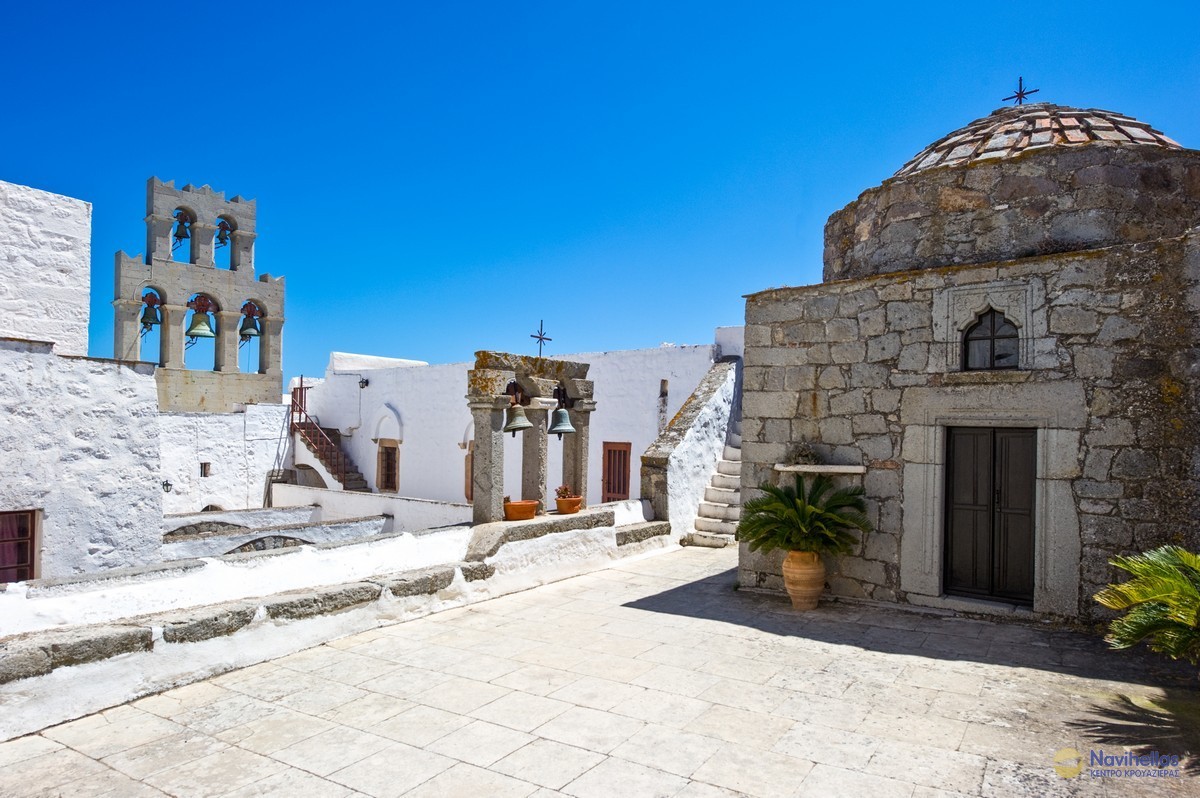
The Monastery of Saint John the Theologian is Patmos’s most important landmark. Built on the highest point of Chora, this fortified monastery contains richly decorated chapels, religious treasures, historic manuscripts and a valuable library. Visitors should dress respectfully, with shoulders and knees covered where required.
Nearby, the Cave of the Apocalypse is one of the island’s major pilgrimage sites. Tradition identifies this rocky grotto as the place where Saint John received the visions recorded in the Book of Revelation. The cave and its small chapel form part of the UNESCO World Heritage ensemble with the monastery and the historic settlement of Chora.
Chora itself is a rewarding place to explore on foot. Its narrow lanes, stone arches, whitewashed houses and elegant mansions reflect centuries of island history. In Skala, passengers can stroll along the harbour, visit the Church of Agia Paraskevi and enjoy views across the bay before returning to the ship.
For a scenic outing, the road to Grikos offers views over the island’s hills and coastline. The bay is known for the dramatic rock formation called Petra, sometimes referred to as Kallikatsou Rock, which rises from the sea near the beach.
Beaches
Patmos has several attractive beaches within an easy island excursion. Agriolivado, close to Skala, is a convenient choice for passengers who want a short swim and a relaxed seaside setting. Its sheltered bay is especially appealing when the wind is stronger elsewhere.
Grikos Beach combines clear water with views across the bay and the distinctive Petra rock. Petra Beach, near Grikos, is another popular spot for swimming and sunbathing, while Kambos Beach on the northern side of the island is known for its broad shore and watersports facilities.
Lambi Beach is famous for its colourful smooth pebbles and striking scenery. It is farther from Skala than the nearby beaches, so passengers should allow plenty of time for the return journey and check local transport arrangements before setting out.
Local products and shopping
Skala is the most convenient place for cruise passengers to shop for Patmian souvenirs. Look for hand-painted religious icons, rosaries, small crosses and other locally inspired devotional items connected with the island’s long monastic tradition. Chora also has boutiques and workshops selling art, jewellery and traditional decorative pieces.
Edible gifts include local thyme honey, dried herbs, olive oil, olives and regional cheeses. Small bottles of Greek wine and spirits can also make practical souvenirs, although passengers should consider airline or ship restrictions if they will be travelling onward.
Patmos has a strong tradition of handmade textiles and embroidery, and island shops may offer woven items, lacework and naturally styled clothing. Ceramics, leather goods and jewellery are other good choices for travellers seeking useful or distinctive gifts rather than mass-produced souvenirs.
Food and local cuisine
Patmian cooking reflects the flavours of the Aegean, with fresh fish, grilled octopus, seafood, seasonal vegetables, herbs and locally produced olive oil appearing on many menus. Skala’s waterfront tavernas are convenient for a leisurely lunch with views of the harbour.
Traditional dishes to look for include Patmian cheese pies, known locally as pougia, along with stuffed vegetables, chickpea dishes and slow-cooked meat prepared in the island style. Recipes vary between tavernas, so asking about the day’s local specialities is often the best way to discover regional food.
For something sweet, try pougia when available; these small pastries are associated with Patmian cooking and are commonly prepared with a sweet cheese filling and aromatic spices. Local honey, seasonal fruit preserves and Greek coffee also provide simple tastes of the island.
Tips for cruise passengers
Cruise ships visiting Patmos commonly anchor offshore, with passengers brought ashore by tender boats to the waterfront at Skala. The tender journey and disembarkation process can depend on sea conditions, so allow extra time when planning an independent excursion.
Skala is easy to explore on foot, but Chora and the Cave of the Apocalypse are uphill and can be reached by taxi, local bus or organised shore excursion. Rental cars and scooters are available on the island, although traffic, narrow roads and limited time make a pre-planned route advisable.
A practical day in Patmos could begin with Chora and the Monastery of Saint John the Theologian, followed by the Cave of the Apocalypse. Return to Skala for lunch and shopping, or choose a nearby beach such as Agriolivado if swimming is a priority.
Wear comfortable shoes for cobbled lanes and uneven paths, carry water and protect yourself from the strong Aegean sun. Check the all-aboard time carefully, especially when visiting beaches or northern parts of the island, and observe modest dress in monasteries and other religious sites.

Rhodes is the largest of Greece’s Dodecanese islands, celebrated for its medieval Old Town, sunny coastline and layers of Greek, Roman, Byzantine and Knights Hospitaller history. The island’s main city combines lively waterfront streets with impressive fortifications, archaeological remains and traditional neighbourhoods.
cruise ships arrive at Rhodes Cruise Port, close to Rhodes Town and the UNESCO-listed Medieval City. The port is also the gateway to Lindos, a picturesque village on the east coast known for its whitewashed houses, ancient Acropolis and beautiful bays. A day in port can be spent exploring Rhodes Town, visiting Lindos, or combining historic sights with time beside the sea.
Top attractions and sights
The Medieval City of Rhodes is the island’s essential attraction. Enter through its monumental gates to discover the Street of the Knights, stone-paved lanes, historic mansions and the Palace of the Grand Master of the Knights of Rhodes. The Archaeological Museum of Rhodes, housed in the former Hospital of the Knights, displays artefacts from across the island.
Beaches
Rhodes offers many attractive beaches, although the most convenient choice depends on whether you stay near Rhodes Town or travel towards Lindos. Elli Beach, beside Rhodes Town, is easy to reach from the port and is well suited to passengers looking for a quick swim by the city.
Near Lindos, St Paul’s Bay is a striking sheltered cove beneath the Acropolis, while Lindos Beach offers calm, clear water close to the village. Anthony Quinn Bay, near Faliraki, is known for its rocky scenery and vivid water. Tsambika Beach, farther along the east coast, has golden sand and a broad setting, but visiting it requires more travel time and careful planning around your ship’s departure.
Local products and shopping
Rhodes is known for local food products, handmade crafts and souvenirs inspired by the island’s history. In the Old Town, shops around Sokratous Street and the surrounding lanes sell jewellery, leather goods, ceramics, woven textiles and decorative items with Greek designs.
Food and local cuisine
Rhodes combines classic Greek flavours with culinary traditions from the Dodecanese. Look for tavernas serving grilled seafood, fresh salads, local cheeses and dishes prepared with olive oil, herbs and seasonal vegetables. In Lindos, rooftop and terrace restaurants provide memorable settings for a meal with views towards the Acropolis or the sea.
Tips for cruise passengers
Rhodes Cruise Port is close to Rhodes Town, making the Medieval City and Mandraki Harbour convenient options for a day ashore. Depending on your berth, you may be able to reach the historic centre on foot, while taxis and local transport are useful for passengers carrying luggage or travelling in the heat.
Choose your main excursion before leaving the ship. Rhodes Town is the easiest option for independent exploration, while Lindos requires more travel and time but offers one of the island’s most memorable combinations of village scenery, ancient history and coastal views. Organised shore excursions, taxis and rental vehicles are commonly used for Lindos, but allow plenty of time for the return journey.
Wear comfortable shoes for the uneven stones of the Old Town and the climb to the Acropolis of Lindos. Carry water, sun protection and a hat, especially during the warmer months. Shops and restaurants in the most visited areas may become busy when several cruise ships are in port, so starting early helps you see the main sights at a more relaxed pace. Keep your ship’s all-aboard time in mind, and return to the port with a generous buffer if travelling beyond Rhodes Town.

Heraklion is the lively capital of Crete and the island’s main gateway for cruise passengers. With roots stretching back to the Minoan civilization, the city combines ancient history, Venetian architecture, bustling markets and a distinctly Cretan atmosphere. Heraklion’s port is located close to the historic centre, making it possible to explore many of the main sights on foot during a day in port.
The city is best known as the gateway to the Palace of Knossos, one of the most important archaeological sites in Greece. Heraklion itself is also rich in history, with impressive Venetian fortifications, museums and atmospheric streets filled with cafés, tavernas and local shops.
Top attractions and sights in Heraklion
Palace of Knossos
The Palace of Knossos is Crete’s most famous archaeological site and the centre of the ancient Minoan civilization. Visitors can see ceremonial courtyards, storerooms, stairways and colourful reconstructions associated with the legendary palace of King Minos. Knossos lies outside central Heraklion, so allow plenty of time for transport and exploration.
Heraklion Archaeological Museum
The Heraklion Archaeological Museum houses one of the world’s finest collections of Minoan art and artefacts. Highlights include pottery, jewellery, frescoes and objects discovered at Knossos and other Cretan sites. It is an excellent choice for understanding the history of the island before or after visiting the palace.
Koules Fortress
Standing at the entrance to the old harbour, Koules Fortress is one of Heraklion’s most recognisable landmarks. Built by the Venetians, the massive stone fortress offers insight into the city’s maritime past and provides attractive views across the harbour and the Cretan Sea.
Venetian Loggia and the historic centre
The Venetian Loggia is an elegant Renaissance building in the heart of Heraklion and now houses the city’s town hall. Nearby streets lead to Lion Square, the Morosini Fountain and the Church of Saint Titus. The old centre is ideal for a relaxed walk through pedestrian lanes, small squares and traditional cafés.
Heraklion city walls
The substantial Venetian walls once protected the city and remain an impressive example of military architecture. Sections of the fortifications provide elevated views over Heraklion, while the Martinengo Bastion is associated with the tomb of the Cretan writer Nikos Kazantzakis.
Beaches near Heraklion
Heraklion is primarily a cultural and historical destination, but several beaches are accessible from the city. Ammoudara Beach stretches along the coast west of Heraklion and is one of the most convenient options for cruise visitors seeking time by the sea. It has a broad sandy shoreline and a selection of beach facilities.
Karteros Beach, east of the city, is another possible choice, with a long sandy coast near Heraklion Airport. Travel conditions and time in port should be considered before choosing a beach visit, particularly if you also plan to see Knossos or the city centre.
Local products and shopping in Heraklion
Crete is famous for its high-quality extra virgin olive oil, and local bottles make practical and authentic souvenirs. Other popular products include Cretan herbs, mountain tea, honey, olives, carob products and traditional sweets.
Look for handmade ceramics, leather goods, woven textiles and jewellery inspired by Minoan designs. The streets around the central market are good places to browse local food products and souvenirs, while small specialist shops often sell Cretan cheeses, rusks and packaged herbs suitable for travelling.
Food and local cuisine
Cretan cuisine is based on fresh vegetables, olive oil, herbs, grains, cheese and locally produced meat. Traditional dishes to try in Heraklion include dakos, a barley rusk topped with tomato, mizithra cheese and olive oil; kalitsounia, small pastries filled with soft cheese or herbs; and gamopilafo, a rich rice dish traditionally served at celebrations.
Other local specialities include choirino apaki, smoked pork flavoured with herbs, stamnagathi, a wild green often served with olive oil and lemon, and Cretan cheeses such as graviera and mizithra. For a light meal, order fresh seafood, Greek salad or grilled lamb at a traditional taverna.
Cretan wines are increasingly well known, particularly those made from local grape varieties such as Vidiano and Vilana. You may also encounter tsikoudia, a strong grape spirit traditionally offered after a meal, and desserts featuring honey, nuts and filo pastry.
Tips for cruise passengers
The cruise port is close to central Heraklion, and many historic sights can be reached on foot after leaving the ship. Follow the waterfront towards Koules Fortress, then continue into the old town for the Venetian Loggia, Lion Square, the Morosini Fountain and the Archaeological Museum.
Knossos requires transport from the port area. Taxis, organised shore excursions and local buses can provide access, but plan carefully if you want to combine Knossos with the city centre. An organised excursion can be convenient for passengers who want transport and sightseeing arranged around the ship’s schedule.
For a successful day in Heraklion, begin with your highest-priority attraction, especially Knossos or the Archaeological Museum, and leave time for a walk through the historic centre. Wear comfortable shoes, carry water during the warmer months and allow extra time to return to the port. A short final stop at a taverna or local shop is a pleasant way to experience Cretan culture before reboarding.

Santorini is one of Greece’s most spectacular island destinations, famous for its whitewashed villages, blue-domed churches and dramatic volcanic caldera. The island was shaped by a huge volcanic eruption in the Bronze Age, leaving behind steep cliffs, black-sand beaches and a sea-filled crater known as the caldera.
Most cruise ships anchor offshore and passengers reach the island by tender boat. Tenders usually arrive at the Old Port of Fira, also called Skala. From there, visitors can take the cable car up to Fira, walk along the historic path or use the traditional mule route. The modern ferry port at Athinios mainly serves ferries and is separate from the cruise tender port.
Top Attractions and Sights in Santorini
Fira
Fira is Santorini’s lively capital and the main starting point for cruise passengers. Explore its caldera-edge lanes, Orthodox churches, small museums, cafés and shops, then enjoy panoramic views over the volcanic islands and the Aegean Sea.
Oia
Oia is renowned for its elegant whitewashed houses, blue domes, cave homes and famous sunset views. Its narrow streets are filled with art galleries, boutiques and terraces overlooking the caldera. Allow plenty of time for the journey from Fira, particularly during busy cruise days.
Akrotiri Archaeological Site
The prehistoric settlement of Akrotiri is one of Santorini’s most important historic attractions. Preserved beneath volcanic ash, it reveals streets, buildings and frescoes from a sophisticated Bronze Age community often associated with the ancient Minoan world.
Caldera Views and Imerovigli
The villages of Firostefani and Imerovigli extend north from Fira along the caldera rim. Imerovigli, sometimes called the “balcony of the Aegean,” offers magnificent views of the sea and the volcanic island of Nea Kameni. Skaros Rock is another striking landmark in this area.
Ancient Thera
Set high on Mesa Vouno above Kamari and Perissa, Ancient Thera contains remains from the Hellenistic, Roman and Byzantine periods. Its elevated position provides impressive views, although the steep access makes it less suitable for a short visit unless you have arranged transport.
Pyrgos
Pyrgos is a traditional hilltop village with winding lanes, old churches and the remains of a Venetian castle. It offers a quieter alternative to the busiest caldera towns and is a good place to see a more authentic side of inland Santorini.
Beaches in Santorini
Santorini’s beaches are notable for their volcanic landscapes rather than pale Caribbean-style sand. Red Beach, near Akrotiri, is famous for its rust-coloured cliffs and dark volcanic shore. Access can be uneven, so visitors should follow local safety guidance.
Kamari Beach and Perissa Beach are two of the island’s best-known organised beaches, with dark volcanic sand, swimming areas, tavernas and cafés. Vlychada Beach has dramatic sculpted cliffs and a more striking, natural setting. These beaches are on the opposite side of the island from the cruise tender port, so visiting one is best combined with a pre-arranged tour or reliable local transport.
Local Products and Shopping in Santorini
Santorini is an excellent place to shop for island produce, Greek crafts and distinctive volcanic souvenirs. Look for bottles of local Assyrtiko wine and Vinsanto, as well as products made with the island’s famous cherry tomatoes, capers and white eggplant.
Food and Local Cuisine in Santorini
Santorini’s cuisine is based on simple ingredients adapted to the island’s dry volcanic landscape. Try fava, a smooth yellow split-pea purée usually served with olive oil, lemon and onions. Tomatokeftedes are savoury fritters made with Santorini tomatoes, herbs and onions, while melitzanosalata is a smoky aubergine dip.
Other local specialities include Santorini white eggplant, fresh seafood and dishes featuring capers. For dessert, look for melitinia, small sweet cheese pastries traditionally associated with the island, or koufeta, a local sweet made with almonds and honey. Pair a meal with chilled Assyrtiko wine, a glass of Vinsanto or a refreshing Greek coffee.
Tips for Cruise Passengers in Santorini